Exploring Homeowners Insurance Coverage: A Comprehensive Guide
Delve into the intricate world of homeowners insurance coverage, where protection meets peace of mind. From understanding different types of coverage to factors influencing premiums, this guide will equip you with valuable insights to navigate the realm of insurance confidently.
Unravel the complexities of homeowners insurance coverage and discover essential information to safeguard your home and assets effectively.

When it comes to homeowners insurance coverage, there are several types available to suit different needs and budgets. Understanding the differences between basic, broad, special, and comprehensive coverage can help homeowners choose the right policy for their specific situation.
Basic coverage typically protects against common perils such as fire, theft, and vandalism. While it offers limited protection, it is a good option for homeowners on a tight budget or those who own older homes with lower property value.
Broad coverage expands on basic coverage by including additional perils such as water damage and structural collapse. It provides a more comprehensive level of protection and is suitable for homeowners looking for more extensive coverage without the higher premiums of a comprehensive policy.
Special coverage, also known as open perils or all-risk coverage, protects against all perils except those specifically excluded in the policy. This type of coverage offers the most extensive protection and is ideal for homeowners who want peace of mind knowing they are covered for a wide range of risks.
Comprehensive coverage is the most inclusive option, offering protection for both the structure of the home and personal belongings against a wide range of perils. While it typically comes with higher premiums, it provides comprehensive coverage for homeowners who want the highest level of protection for their property.Each type of homeowners insurance coverage has its own advantages and is best suited for different situations.
By understanding the differences between these options, homeowners can choose the coverage that best fits their needs and budget.

When it comes to homeowners insurance policies, there are several key components that are typically included to provide comprehensive coverage for your home and belongings.
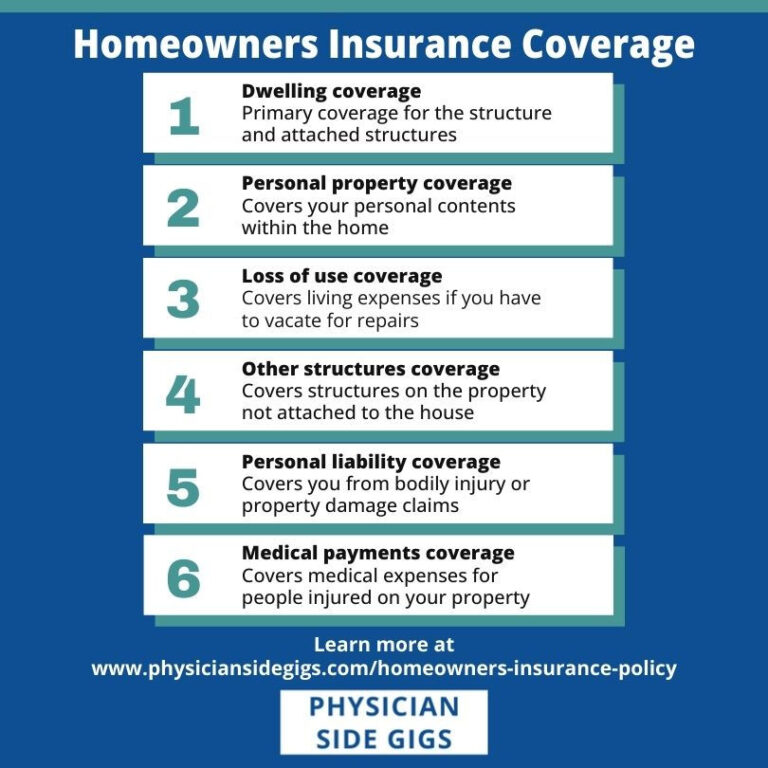
Dwelling coverage is one of the most important components of a homeowners insurance policy, as it protects the physical structure of your home in case of damage or destruction from covered perils such as fire, wind, hail, or vandalism. This coverage helps pay for repairs or rebuilding your home if it is damaged or destroyed.
Personal property coverage is another essential component of homeowners insurance, as it protects your belongings inside your home, such as furniture, clothing, electronics, and other personal items, from covered perils. This coverage helps replace or repair your belongings if they are damaged, stolen, or destroyed.
Liability protection is included in homeowners insurance policies to provide coverage in case someone is injured on your property and you are found legally responsible. This coverage can help pay for medical expenses, legal fees, and damages if you are sued for bodily injury or property damage that occurs on your property.
Loss of use coverage is designed to help cover additional living expenses if your home becomes uninhabitable due to a covered peril, such as a fire or natural disaster. This coverage can help pay for temporary housing, meals, and other expenses while your home is being repaired or rebuilt.
When it comes to homeowners insurance premiums, several factors come into play that can influence the cost of coverage. Understanding these factors is essential for homeowners looking to manage their insurance costs effectively.
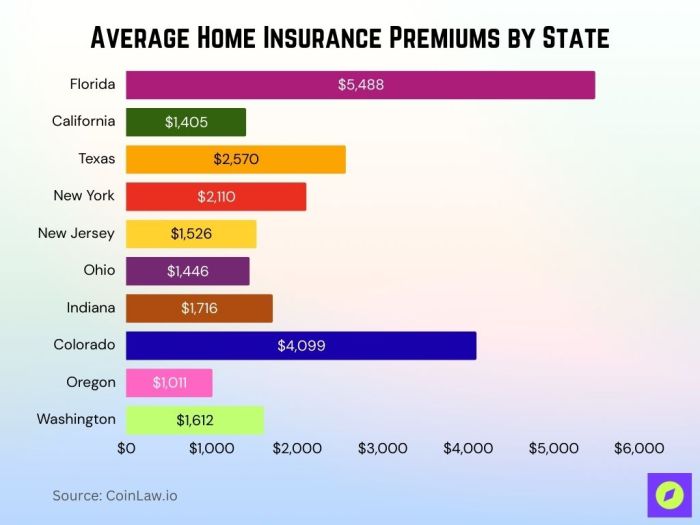
The location of your home plays a significant role in determining your homeowners insurance premiums. Homes located in areas prone to natural disasters such as hurricanes, earthquakes, or floods are considered high-risk and may have higher insurance premiums compared to homes in low-risk areas.
Additionally, crime rates and proximity to fire stations can also impact premium rates.
The value of your home is another crucial factor that affects your insurance premiums. Generally, the more expensive your home is, the higher the cost of insurance coverage. This is because a higher home value means higher replacement costs in the event of damage or loss.
The deductible amount you choose also plays a role in determining your insurance premiums. A higher deductible means you’ll have to pay more out of pocket before your insurance coverage kicks in, which can lead to lower premiums. On the other hand, a lower deductible will result in higher premiums.
Your claims history can also impact your homeowners insurance premiums. If you have a history of filing multiple claims, insurance companies may view you as a higher risk policyholder and increase your premiums accordingly. On the other hand, a clean claims history can help you secure lower premium rates.
To potentially lower your homeowners insurance premiums, consider taking steps such as improving home security measures, bundling your insurance policies, raising your deductible, maintaining a good credit score, and avoiding filing small claims. Additionally, regularly reviewing and updating your policy to ensure you have the right coverage for your needs can also help you save on premiums.

Coverage limits and deductibles play crucial roles in homeowners insurance policies, affecting both the protection provided and the financial responsibilities of the policyholder.
Coverage limits refer to the maximum amount an insurance company will pay for a covered claim. These limits are clearly defined in the policy and vary depending on the type of coverage. For example, if your policy has a dwelling coverage limit of $300,000, that is the most the insurance company will pay to repair or rebuild your home in the event of a covered loss.
Deductibles are the amount of money a policyholder must pay out of pocket before the insurance company starts to cover a claim. For instance, if you have a $1,000 deductible and your home sustains $5,000 in covered damages, you would pay the first $1,000, and the insurance company would cover the remaining $4,000.
It’s important to understand how coverage limits and deductibles work together to determine the level of protection and financial responsibility in your homeowners insurance policy.
When it comes to homeowners insurance, coverage for natural disasters and additional perils is crucial to protect your home and belongings. Natural disasters such as floods, earthquakes, and hurricanes can cause significant damage, while additional perils like vandalism, theft, or falling objects can also pose risks to your property.
Understanding the available coverage options and assessing your specific needs is essential to ensure you are adequately protected.

When it comes to filing a homeowners insurance claim, understanding the process can help homeowners navigate through the situation efficiently.
As we draw the curtains on this discussion, remember that homeowners insurance coverage is not just a policy but a shield against unforeseen events. Stay informed, stay protected, and embrace the security your coverage offers.
What does dwelling coverage include?
Dwelling coverage typically includes protection for the physical structure of your home, such as walls and roof.
How can homeowners lower their insurance premiums?
Homeowners can potentially lower premiums by increasing home security measures, bundling insurance policies, or maintaining a good credit score.
Is flood insurance included in standard homeowners insurance?
No, flood insurance is usually not included in standard homeowners insurance and needs to be purchased separately.