
Flood Insurance for Homeowners: A Comprehensive Guide
Exploring the realm of flood insurance for homeowners, this introduction sets the stage for a detailed discussion on the importance, workings, and types of flood insurance policies. The content will shed light on commonly asked questions and provide valuable insights to help homeowners protect their properties.

Flood insurance for homeowners is a specialized type of insurance coverage that provides financial protection against damage caused by flooding. It is designed to help homeowners recover and rebuild their properties in the event of flood-related losses.
Homeowners who live in areas prone to flooding, such as coastal regions, floodplains, or near bodies of water, typically need flood insurance. Even homes located outside high-risk flood zones can benefit from having flood insurance to safeguard against unexpected flooding events.
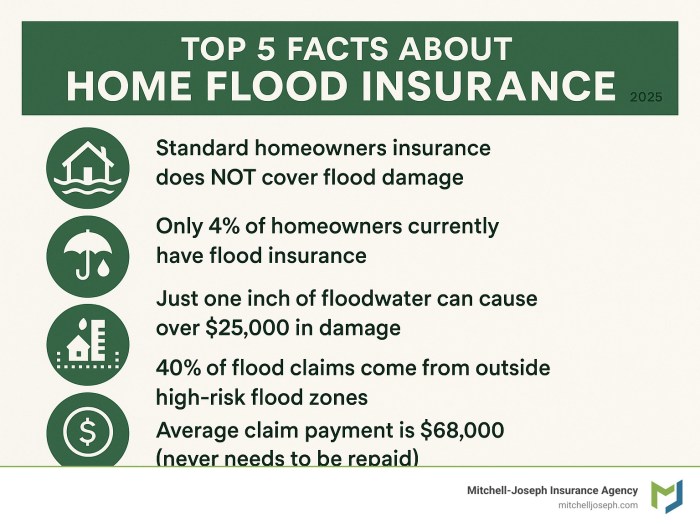
Having flood insurance as a homeowner is crucial to protect yourself financially from the devastating effects of floods. Without proper coverage, homeowners are at risk of significant financial losses that can be difficult to recover from.
Not having flood insurance leaves homeowners vulnerable to bearing the full cost of repairing or rebuilding their homes after a flood. This can result in financial strain, debt, and even the loss of their home if they cannot afford the necessary repairs.
Flood insurance provides homeowners with the financial protection needed to cover the costs of repairing or replacing their property and belongings damaged by a flood. This can help homeowners recover more quickly and avoid financial ruin in the aftermath of a disaster.
According to FEMA, only a small percentage of homeowners in flood-prone areas have flood insurance, leaving many families struggling to rebuild their lives after a flood. Real-life stories of homeowners who were left devastated by floods without insurance highlight the importance of being prepared for such disasters.
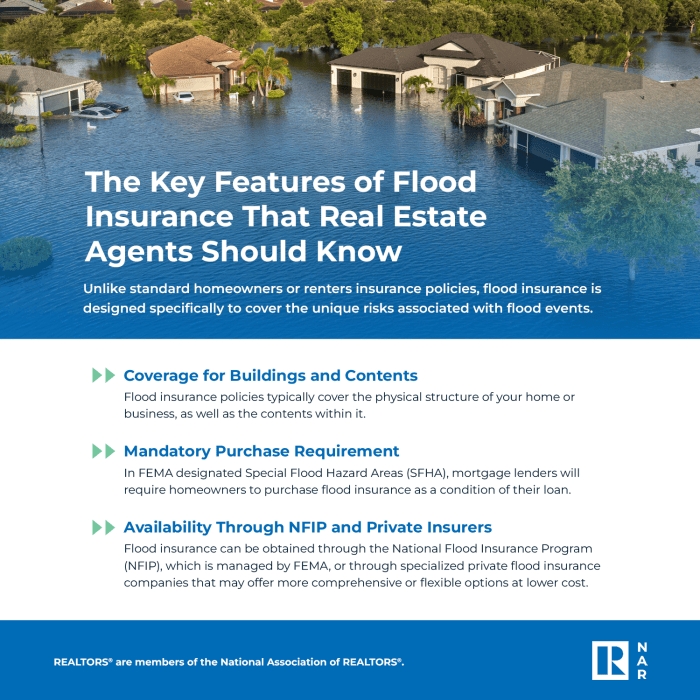
Flood insurance works by providing financial protection to homeowners in the event of flood damage to their property. It is crucial for homeowners in flood-prone areas to have this type of insurance to mitigate potential losses.
When determining flood insurance coverage, several factors are taken into account. These include the property’s location, the elevation of the building, the flood zone it is situated in, and the coverage limits chosen by the homeowner.
In the unfortunate event of flood damage, homeowners need to file a claim with their flood insurance provider. This process typically involves documenting the extent of the damage, providing proof of loss, and working with adjusters to assess the claim and determine the payout.
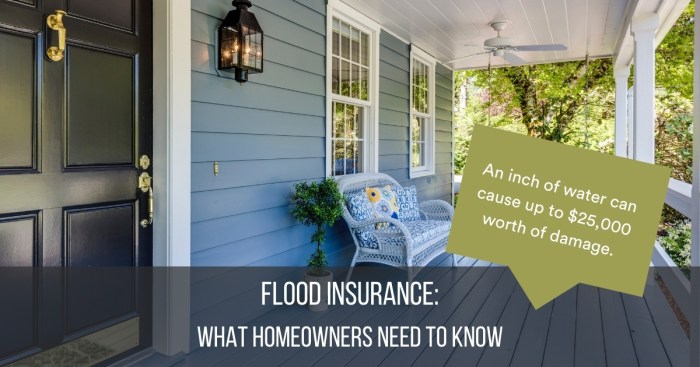
When it comes to flood insurance policies for homeowners, there are different types available to choose from. Each type offers varying levels of coverage and benefits, so it’s essential to understand the differences before making a decision.
A Standard Flood Insurance Policy (SFIP) is typically offered through the National Flood Insurance Program (NFIP). It covers the building structure and basic home systems, such as electrical and plumbing, up to a certain limit. Personal belongings are also covered under this policy, but with separate coverage limits.
A Preferred Risk Policy (PRP) is a lower-cost option for homeowners in low to moderate-risk flood zones. It provides both building and contents coverage at a more affordable rate compared to a standard policy. However, it’s essential to note that PRP coverage limits may be lower than those of an SFIP.
Excess flood insurance is a supplemental policy that provides coverage above and beyond the limits of an SFIP. Homeowners who require additional coverage beyond what the standard policy offers can opt for excess flood insurance to protect their property and belongings further.
Private flood insurance policies are offered by private insurers rather than through the NFIP. These policies may offer more customizable coverage options and higher coverage limits than standard NFIP policies. However, premiums for private flood insurance can vary significantly based on the provider and the level of coverage selected.
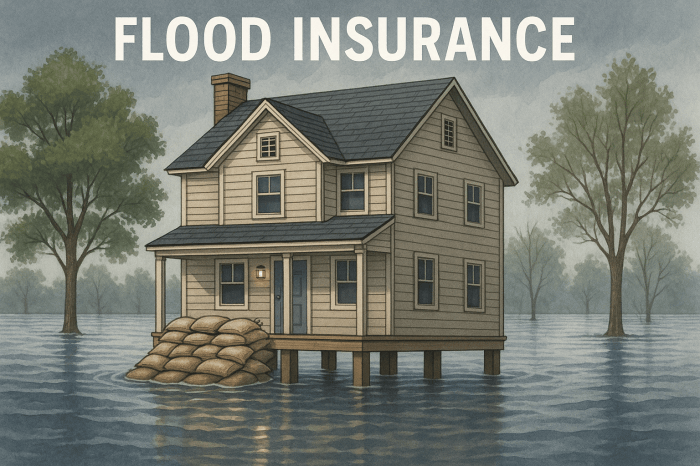
Flood insurance premiums can vary depending on various factors such as the location of your home, the risk of flooding in your area, the value of your property, and the coverage limits you choose. Premiums are typically calculated based on the level of risk associated with your property.
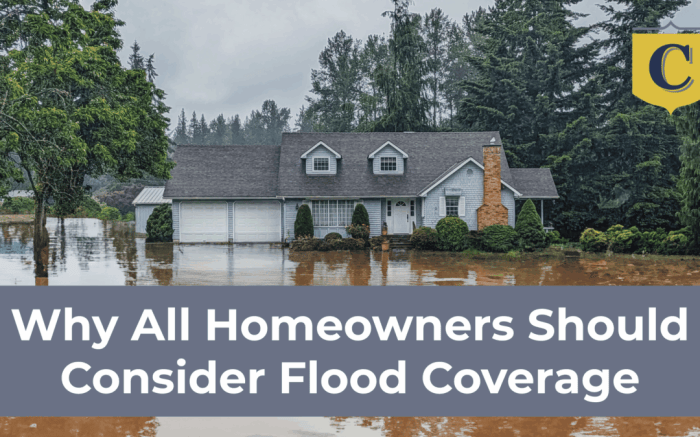
In conclusion, understanding flood insurance for homeowners is crucial in safeguarding one’s most valuable asset. By being informed about the risks, coverage options, and affordability, homeowners can make well-informed decisions to protect their homes from potential flood damage.
Who typically needs flood insurance for their homes?
Homeowners located in flood-prone areas or near bodies of water are often advised to have flood insurance to protect their properties.
How are flood insurance premiums calculated?
Flood insurance premiums are calculated based on various factors including the property’s location, elevation, and the chosen coverage limits.
What are common misconceptions about flood insurance coverage?
One common misconception is that standard homeowners insurance covers flood damage, which is not the case. Flood insurance is a separate policy.