Decoding Homeowners Insurance Rates: Factors, Coverage, and Savings
Exploring the intricate world of homeowners insurance rates unveils a plethora of factors, coverage options, and strategies to save money. From understanding how location impacts rates to deciphering the types of coverage available, this guide provides a comprehensive look into the realm of homeowner’s insurance costs.
As we delve deeper, you’ll uncover insights on lowering insurance rates and gaining a better grasp of how insurers calculate premiums. Let’s embark on this enlightening journey together.
When it comes to determining homeowners insurance rates, several factors come into play. Let’s delve into some key aspects that can influence the cost of your insurance premiums.
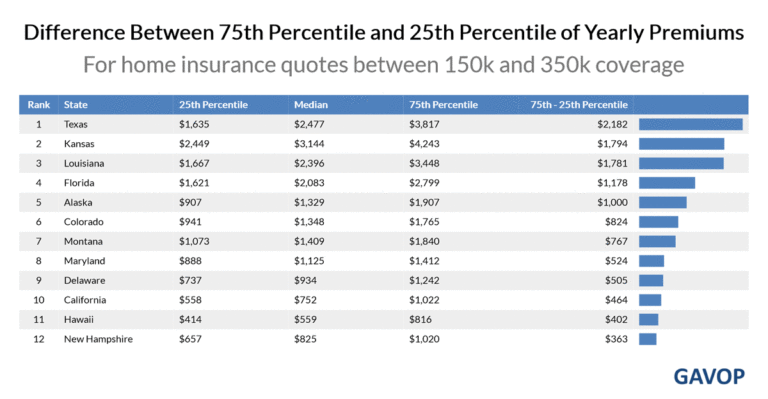
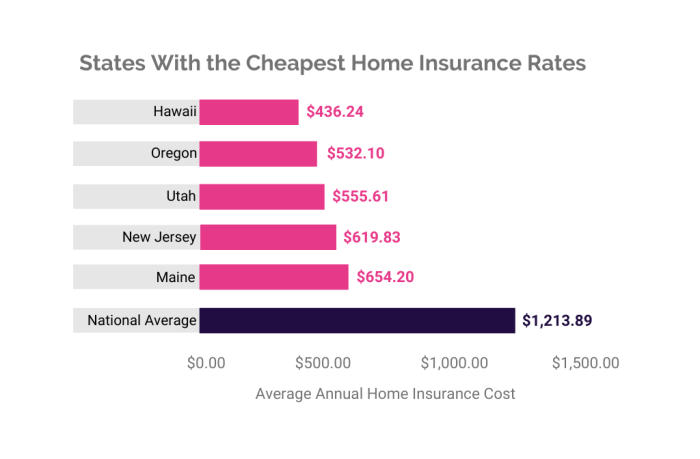
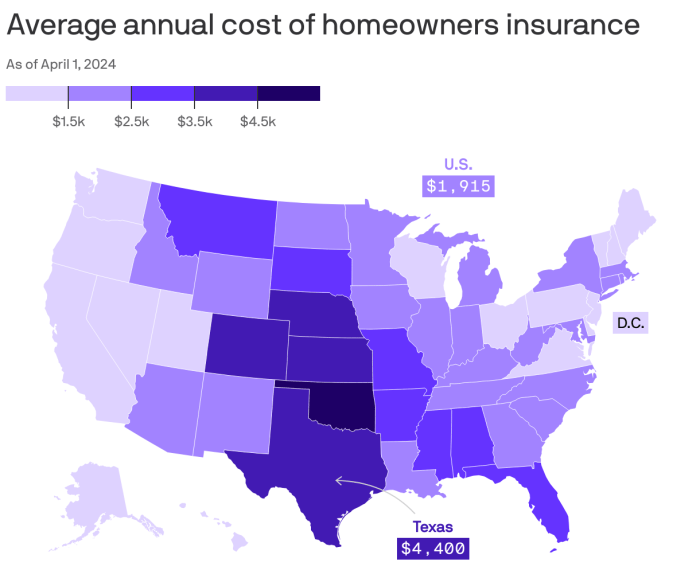
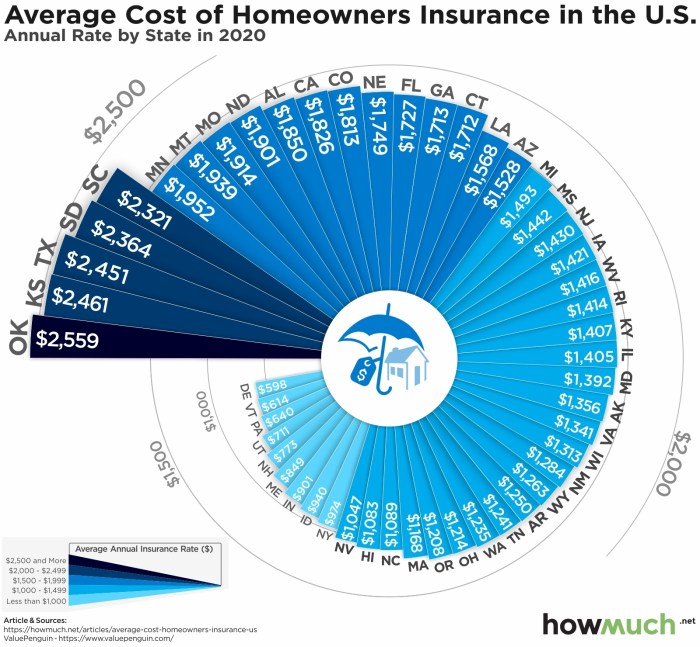
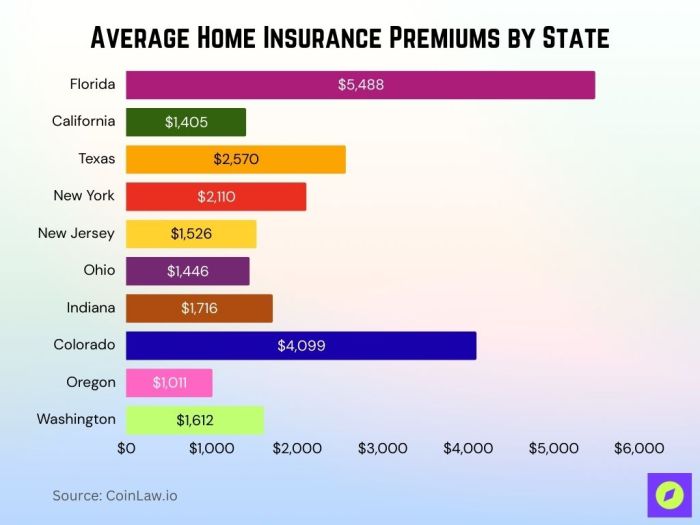
The location of your home plays a significant role in determining your homeowners insurance rates. Areas prone to natural disasters such as hurricanes, earthquakes, or floods are considered high-risk, leading to higher insurance premiums. Additionally, crime rates in your neighborhood can also impact the cost of insurance.
The age of your home is another crucial factor that insurance companies consider when calculating your premiums. Older homes may have outdated electrical systems, plumbing, and roofing, which can increase the risk of damage and result in higher insurance costs compared to newer homes.
The construction materials used in your home can also affect your insurance rates. Homes built with fire-resistant materials such as brick or concrete are considered less risky and may qualify for lower premiums. On the other hand, homes made of wood or other flammable materials may face higher insurance costs due to the increased risk of fire damage.
The proximity of your home to the nearest fire station is a crucial factor that insurance companies take into account. Homes located far away from a fire station may face higher insurance rates as it can take longer for firefighters to respond to emergencies, potentially leading to more extensive damage.
Living closer to a fire station can help lower your insurance premiums by reducing the risk of severe property damage.

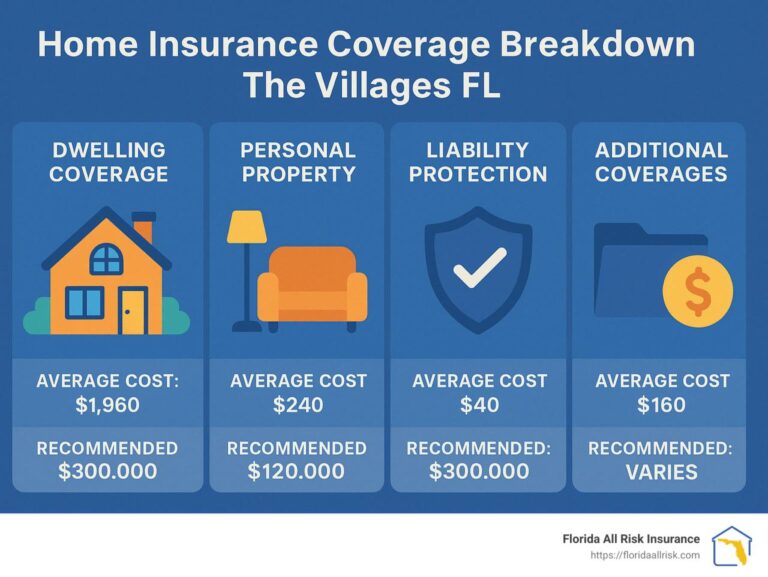
When it comes to homeowners insurance rates, the type of coverage you choose can have a significant impact on the cost. Let’s explore the different types of coverage options available and how they can affect your insurance premiums.
Adding riders or endorsements can increase your insurance rates due to the added protection they offer.
Deductible Amount
- The deductible amount is the out-of-pocket expense you agree to pay before your insurance coverage kicks in. Choosing a higher deductible can lower your insurance premiums, as you are taking on more financial responsibility in the event of a claim.
On the other hand, a lower deductible means higher premiums but less out-of-pocket expense when filing a claim.
Methods to lower homeowners insurance rates
When it comes to reducing your homeowners insurance rates, there are several strategies you can implement to potentially lower your costs. By taking proactive steps, you can not only save money but also ensure that you have adequate coverage for your home.
One effective way to lower your homeowners insurance rates is by improving the security of your home. This can include installing a security system, deadbolt locks, smoke detectors, and other safety features. Insurance companies often offer discounts for homes with enhanced security measures in place.
Another way to lower your homeowners insurance rates is by bundling your home and auto insurance policies with the same provider. Many insurance companies offer discounts for customers who have multiple policies with them, so combining your coverage can lead to significant savings.
Believe it or not, maintaining a good credit score can also help you secure lower homeowners insurance premiums. Insurance companies often consider your credit history when determining your rates, so keeping a good credit score can result in more favorable pricing for your policy.
It’s essential to regularly review and update your insurance policy to ensure you’re not overpaying for coverage you no longer need. By assessing your policy annually and making adjustments based on changes in your home or lifestyle, you can potentially lower your insurance rates while still maintaining adequate protection.

Insurance companies use various factors to calculate homeowners insurance rates, ensuring they accurately reflect the level of risk associated with insuring a particular property.
Risk assessment plays a crucial role in determining insurance premiums. Insurers evaluate factors such as the location of the property, its age, construction materials, and proximity to potential hazards like flood zones or wildfire-prone areas. Properties in high-risk areas typically have higher insurance premiums to account for the increased likelihood of claims.
Previous claims history can significantly impact current insurance rates. Homeowners who have filed multiple claims in the past may be viewed as higher risk by insurance companies, leading to higher premiums. On the other hand, homeowners with a clean claims history may be eligible for lower rates.
The replacement cost of a home, which is the amount it would cost to rebuild the property from scratch, directly affects insurance premiums. Homes with a higher replacement cost typically have higher insurance rates since it would cost more to repair or rebuild the property in case of damage or loss.
In conclusion, navigating homeowners insurance rates can be a daunting task, but armed with the right knowledge, you can make informed decisions to protect your home and finances. Remember, understanding the factors influencing rates and exploring cost-saving methods are key to securing the best insurance coverage for your needs.
How does the location impact homeowners insurance rates?
The location of your home plays a significant role in determining insurance rates as areas prone to natural disasters or high crime rates may lead to higher premiums.
What are the different types of coverage options available for homeowners insurance?
Homeowners insurance typically offers coverage for property damage, personal liability, additional living expenses, and medical payments to others.
How can maintaining a good credit score lower insurance premiums?
Insurance companies often use credit scores to assess risk, and a good credit score may indicate financial responsibility, leading to lower insurance costs.
What role does risk assessment play in determining insurance premiums?
Risk assessment helps insurance companies evaluate the likelihood of a claim being filed, with higher risks resulting in higher premiums.
How do insurance companies calculate the replacement cost of a home?
Insurance companies determine the replacement cost by considering factors like the home’s square footage, construction materials, and local building costs.