
Storm Damage Home Insurance Claim: Roof, Siding, and Exterior Repair Coverage
Delving into Storm Damage Home Insurance Claim: Roof, Siding, and Exterior Repair Coverage, this introduction immerses readers in a unique and compelling narrative, with a casual formal language style that is both engaging and thought-provoking from the very first sentence.
Exploring the impact of storm damage on homes, the process of filing insurance claims for such damage, and the common types of storm damage covered by insurance sets the stage for a detailed discussion ahead.
Storm damage can have a significant impact on homes, causing destruction to roofs, siding, and exteriors. This damage can lead to costly repairs and restoration efforts, making it crucial for homeowners to have the appropriate insurance coverage in place.
When faced with storm damage, homeowners should promptly contact their insurance provider to initiate the claims process. This typically involves documenting the damage, providing photographs, and obtaining estimates for repairs from licensed contractors.
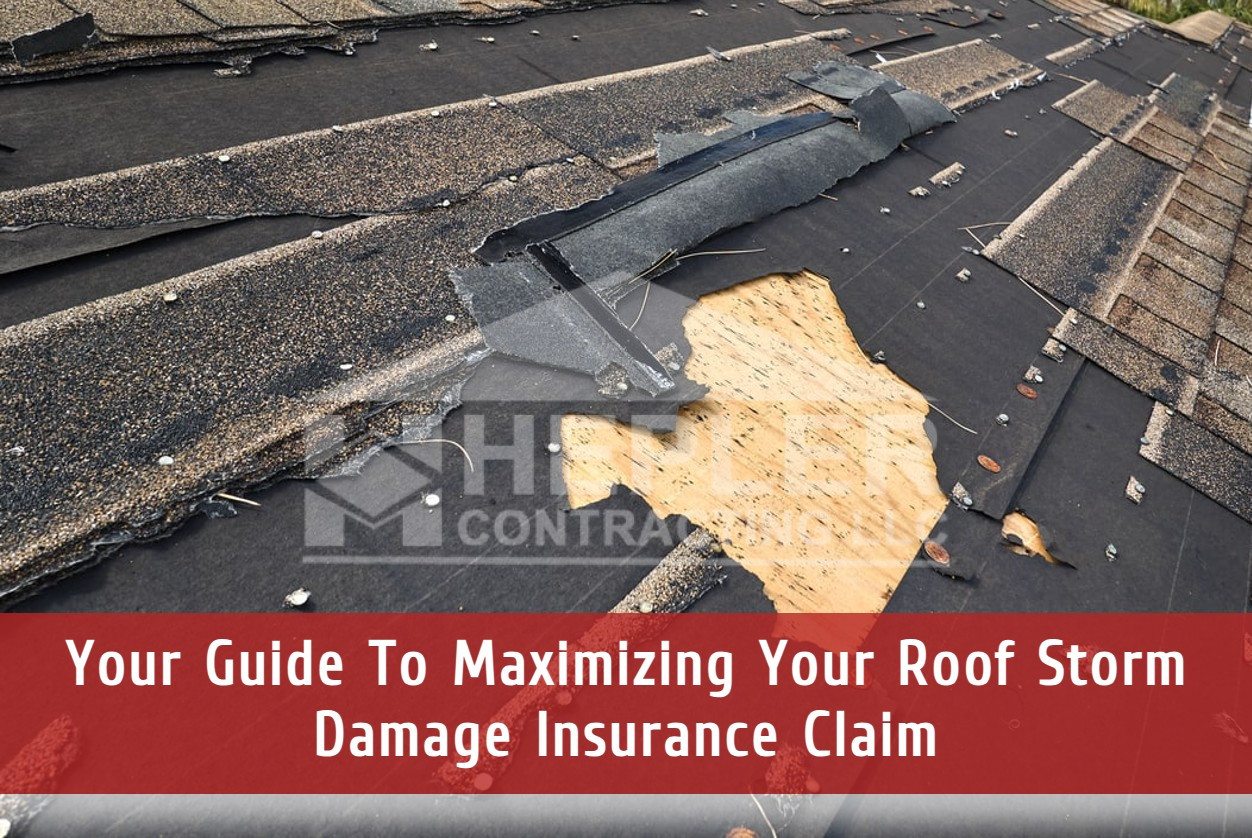
When it comes to roof damage coverage in a home insurance policy, it typically includes protection for damage caused by covered perils such as wind, hail, and falling debris. However, it’s essential to review your policy to understand the specific coverage details and limitations.
In home insurance policies, siding damage coverage typically includes protection for the exterior walls of your home. This coverage helps pay for repairs or replacements if your siding is damaged due to covered perils like storms, hail, or vandalism.When it comes to different types of siding materials, the repair or replacement coverage can vary.
For example, vinyl siding may have different coverage limits compared to more expensive options like cedar or fiber cement siding. It’s important to review your policy to understand the specific coverage for your siding material.
Insurance companies evaluate siding damage claims based on several factors. They may consider the extent of the damage, the age and condition of the siding, and the cost of repairs or replacements. Additionally, they may assess if the damage was caused by a covered peril and if the repairs are necessary to maintain the structural integrity of the home.
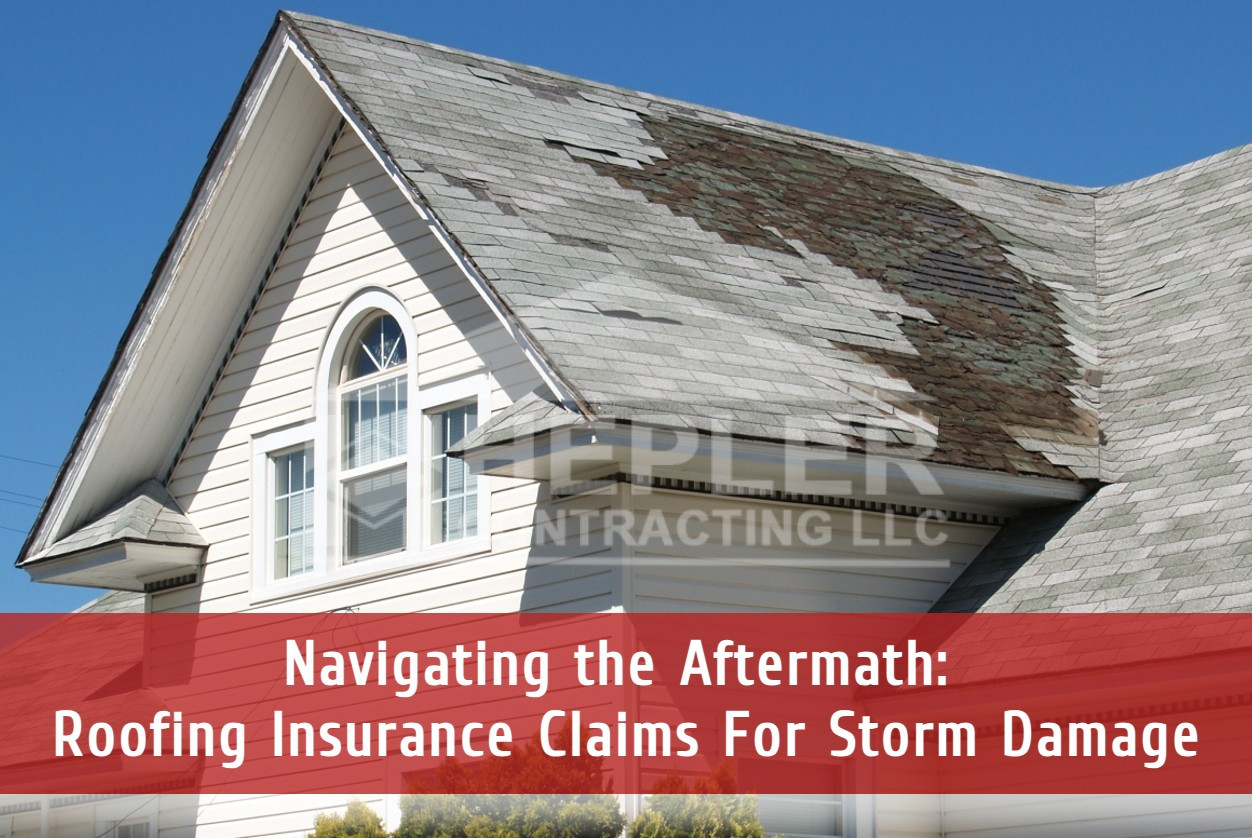
After a storm, home insurance may cover a variety of exterior repairs to your property. It’s crucial to understand what repairs may be included in your policy to ensure you receive the appropriate coverage.
Documenting exterior damage is essential when filing an insurance claim after a storm. Detailed documentation, including photos and written descriptions, can help support your claim and ensure you receive the coverage you are entitled to.
Insurance adjusters will assess the extent of exterior damage by conducting a thorough inspection of your property. They will look for signs of damage such as missing shingles, dented siding, or broken windows. It’s important to cooperate with the adjuster and provide any necessary documentation to support your claim.
What steps should I take immediately after noticing storm damage to my roof?
After discovering storm damage on your roof, it’s crucial to document the damage with photographs, secure the property to prevent further damage, and contact your insurance company to initiate the claims process.
Does home insurance typically cover all types of siding materials for damage?
Home insurance policies vary in coverage, but they usually cover common siding materials like vinyl, wood, and aluminum. It’s essential to review your policy to understand what types of siding damage are included.
How are exterior repairs evaluated by insurance adjusters after a storm?
Insurance adjusters assess the extent of exterior damage by inspecting the property, reviewing documentation, and considering factors like the age of the property, pre-existing damage, and the cost of repairs.
