Home Insurance Replacement Cost Coverage: How Property Payouts Are Calculated
Exploring Home Insurance Replacement Cost Coverage: How Property Payouts Are Calculated delves into the intricate world of property insurance, shedding light on the fascinating process of determining property payouts. This article aims to provide a comprehensive understanding of how insurance companies calculate property values and the impact of various factors on these calculations.
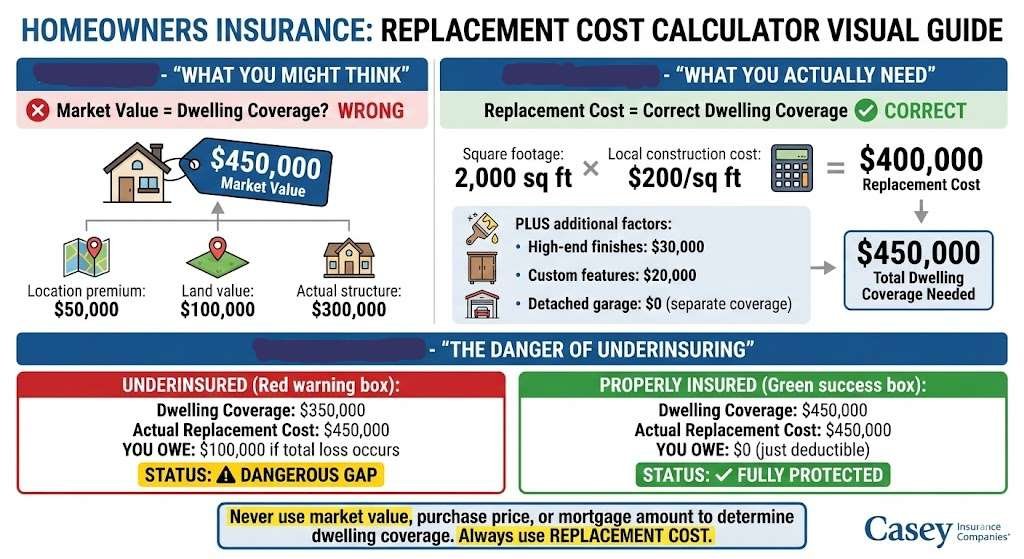
When it comes to home insurance, replacement cost coverage is a crucial component that ensures your property is protected in the event of damage or loss. This type of coverage helps cover the cost of replacing or repairing your home and belongings at current market prices, without factoring in depreciation.
Replacement cost coverage differs from actual cash value coverage, which takes depreciation into account when calculating payouts. Actual cash value coverage factors in the age and condition of your property, resulting in lower payouts compared to replacement cost coverage. It is essential to understand the distinction between the two types of coverage to ensure you have the appropriate level of protection for your home and belongings.
When it comes to home insurance, understanding how property payouts are calculated is essential. Various factors influence the final payout amount, and the process of assessing the replacement cost of a property can vary depending on the type of property being insured.
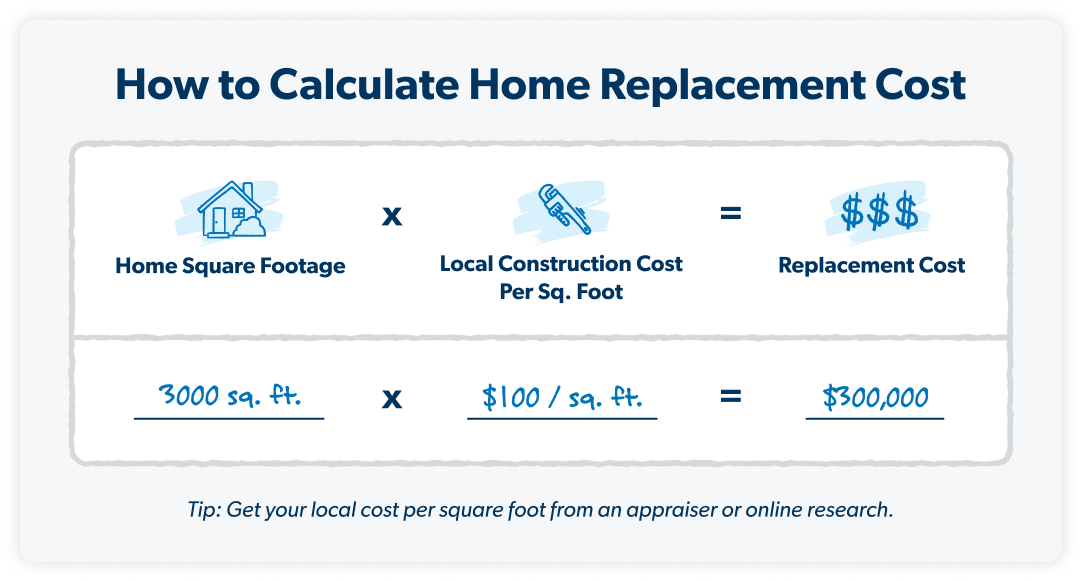
Insurance companies typically use a process called replacement cost estimation to determine the amount needed to replace or repair a property after a covered loss. This involves evaluating the cost of materials, labor, and other expenses required to restore the property to its pre-loss condition.
Replacement Cost = Current cost of labor and materials x Square footage of the property
Depending on the type of property being insured, different calculation methods may be used:
Accurately valuing property is crucial for insurance purposes as it directly impacts the amount of coverage a policyholder receives in the event of a claim.
Accurate property valuation ensures that policyholders are adequately covered for the true value of their property. Underestimating the value could lead to insufficient coverage, while overestimating could result in higher premiums.
When it comes to home insurance, making improvements or renovations to your property can have a significant impact on your coverage and property payouts. Let’s delve into how these changes can affect your home insurance policy.
Kitchen renovations are a common upgrade that can increase the overall value of your home. By installing new countertops, cabinets, or appliances, you are essentially increasing the replacement cost of your kitchen. In the event of a covered loss, having updated kitchen renovations can help ensure that you receive the full replacement cost coverage for these upgrades.
Replacing an old roof with a new one is another improvement that can impact your home insurance policy. A new roof not only enhances the curb appeal of your home but also increases its overall value. In the event of damage due to a covered peril, having a new roof can ensure that you receive the replacement cost coverage for this essential part of your property.
After making significant home improvements, it is crucial to update your insurance policy to reflect these changes accurately. Failing to update your policy can result in being underinsured in the event of a claim. By informing your insurance provider about the upgrades you have made, you can ensure that your coverage aligns with the current value of your property.
When it comes to home insurance replacement cost coverage, it is essential to understand how coverage limits are determined and adjusted over time to ensure adequate protection for your property.Coverage limits for replacement cost coverage are typically calculated based on the estimated cost to rebuild your home at current prices.
This amount is determined by factors such as the size of your home, the materials used in construction, and the local labor and construction costs. It is crucial to regularly review and update these coverage limits to account for changes in property value or market conditions.Adjusting coverage limits is a dynamic process that involves considering inflation rates, market trends, and any improvements or renovations made to your property.
As property values increase over time due to inflation or market demand, it is essential to adjust your coverage limits accordingly to ensure that your home is adequately covered in the event of a disaster.Inflation and market trends play a significant role in determining the appropriate coverage limits for your home insurance policy.
Keeping up to date with these factors and regularly reviewing your coverage limits can help you avoid being underinsured and facing financial hardship in the event of a major loss.
How is property value assessed for insurance purposes?
Insurance companies typically use appraisal methods, considering factors like property location, size, age, and construction type to determine property value for insurance coverage.
Can property improvements affect insurance payouts?
Yes, home improvements like renovations or upgrades can impact insurance payouts by increasing the property’s value, hence affecting the replacement cost coverage. It’s essential to update insurance policies after making significant improvements to ensure adequate coverage.
What role does inflation play in adjusting coverage limits?
Inflation influences the cost of rebuilding or repairing a property, which in turn affects coverage limits. Insurance companies may adjust coverage limits to account for inflation and ensure that policies provide adequate protection over time.