Home Insurance for Newly Purchased Homes: Coverage, Costs, and Policy Requirements
As Home Insurance for Newly Purchased Homes: Coverage, Costs, and Policy Requirements takes center stage, this opening passage beckons readers with casual formal language style into a world crafted with good knowledge, ensuring a reading experience that is both absorbing and distinctly original.
When it comes to protecting your newly purchased home, understanding the ins and outs of home insurance is crucial. From coverage details to cost factors and policy requirements, this comprehensive guide will equip you with the knowledge needed to make informed decisions.
Home insurance for newly purchased homes is a crucial financial safety net that provides protection against potential risks and damages to your property.
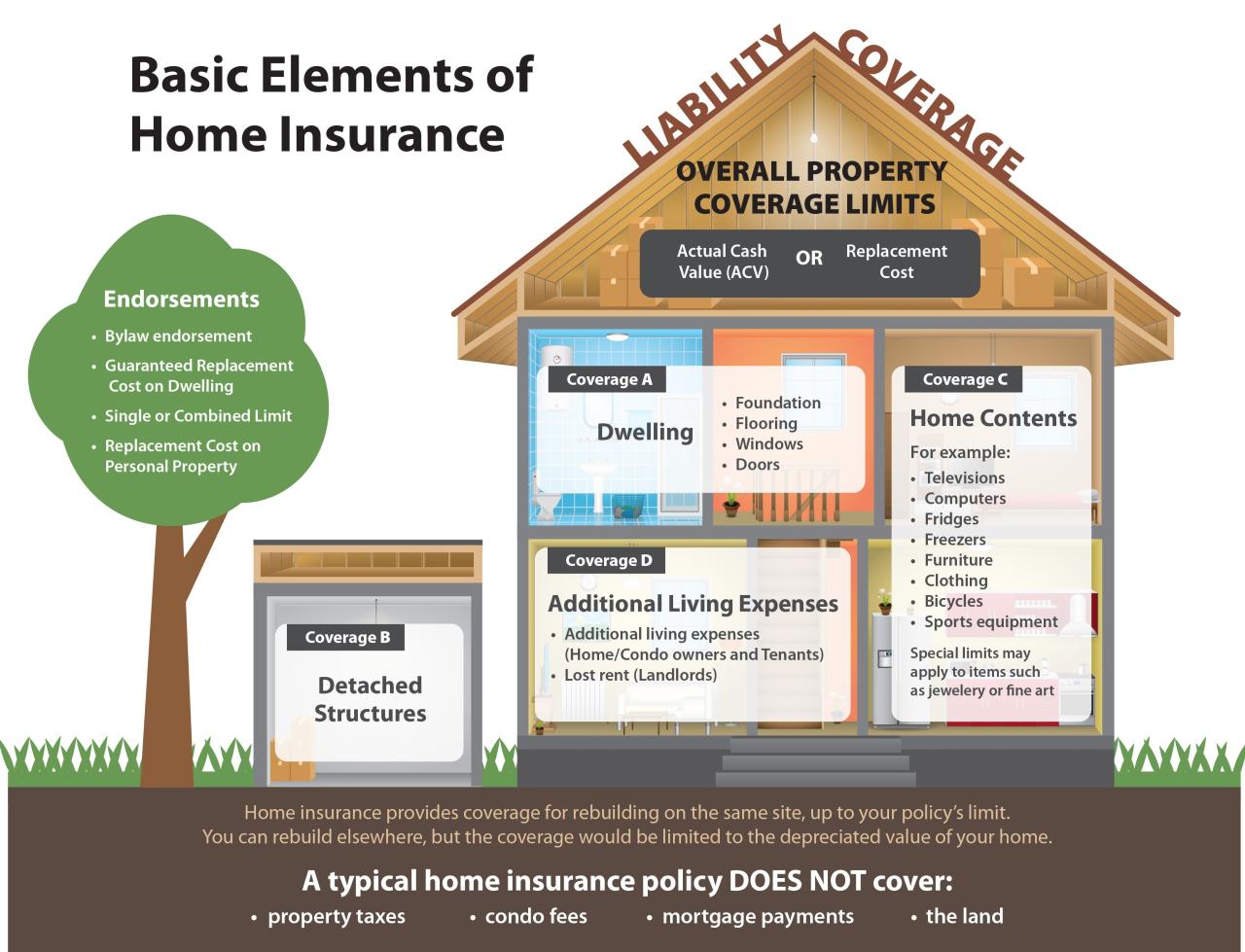
When it comes to home insurance for newly purchased homes, understanding the different coverage options is essential to protect your investment. Let’s explore the common coverage options, the importance of dwelling coverage, and how personal property coverage works in home insurance.
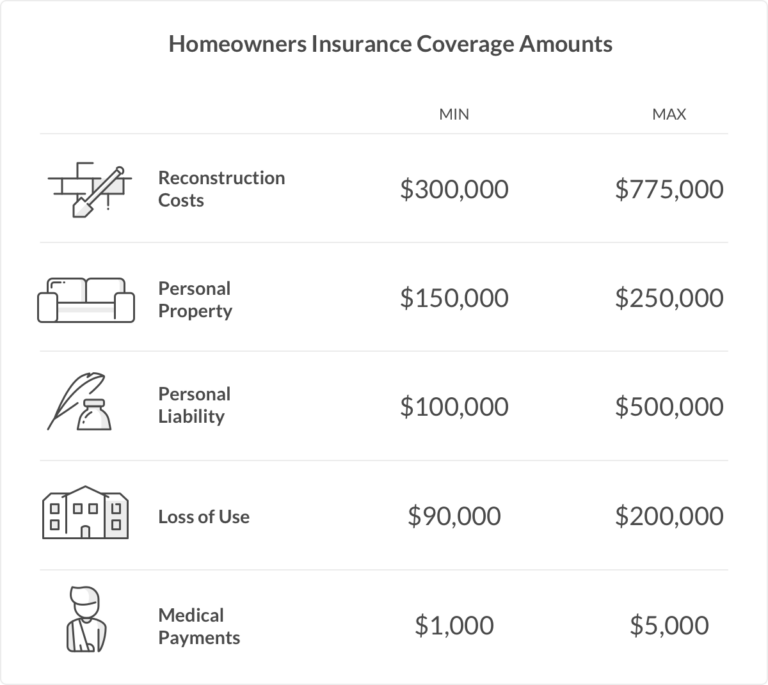
Dwelling coverage is one of the most important aspects of home insurance as it protects the physical structure of your home. It is crucial to ensure that your dwelling coverage limit is sufficient to rebuild your home in case of a total loss.
Keep in mind that the market value of your home may differ from the cost to rebuild it, so it’s essential to regularly review and update your dwelling coverage limits.
Personal property coverage helps replace or repair your belongings inside the home if they are damaged or stolen. It typically covers items like furniture, clothing, appliances, and electronics. It’s essential to create a home inventory to document your belongings and their value, making the claims process smoother in case of a covered loss.
When it comes to the cost of home insurance for newly purchased homes, there are several factors that can influence how much you will pay. Understanding these factors can help you make informed decisions and potentially lower your insurance costs.
The location of your newly purchased home plays a significant role in determining the cost of your home insurance. Homes located in areas prone to natural disasters such as hurricanes, earthquakes, or wildfires may have higher insurance premiums due to the increased risk of damage.
The value of your home and the cost to rebuild it in case of damage are also important factors that insurance companies consider when calculating your premium. Higher home values and rebuilding costs typically result in higher insurance premiums.
The age and condition of your newly purchased home can impact your insurance costs. Older homes or homes in poor condition may be more expensive to insure due to the increased likelihood of maintenance issues or structural problems.
Having security features such as alarm systems, smoke detectors, and deadbolt locks can help lower your insurance costs. Insurance providers often offer discounts for homes with these safety measures in place.
Your claims history can also affect the cost of your home insurance. If you have a history of filing frequent claims, insurance companies may consider you a higher risk and charge higher premiums as a result.
When purchasing home insurance for a newly acquired property, there are several requirements that homeowners need to meet in order to obtain coverage. These requirements are essential for ensuring that the property is adequately protected in case of any unforeseen events.
Liability coverage is a crucial component of a home insurance policy as it provides financial protection in the event that someone is injured on the insured property. This coverage helps to cover medical expenses, legal fees, and damages if the homeowner is found liable for the injury.
Without liability coverage, homeowners could face significant financial risks in the event of a lawsuit.
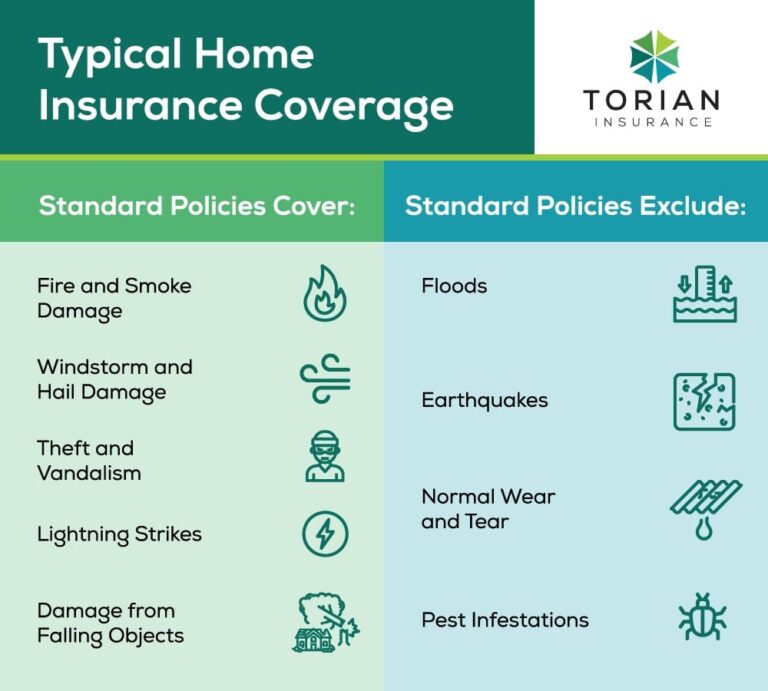
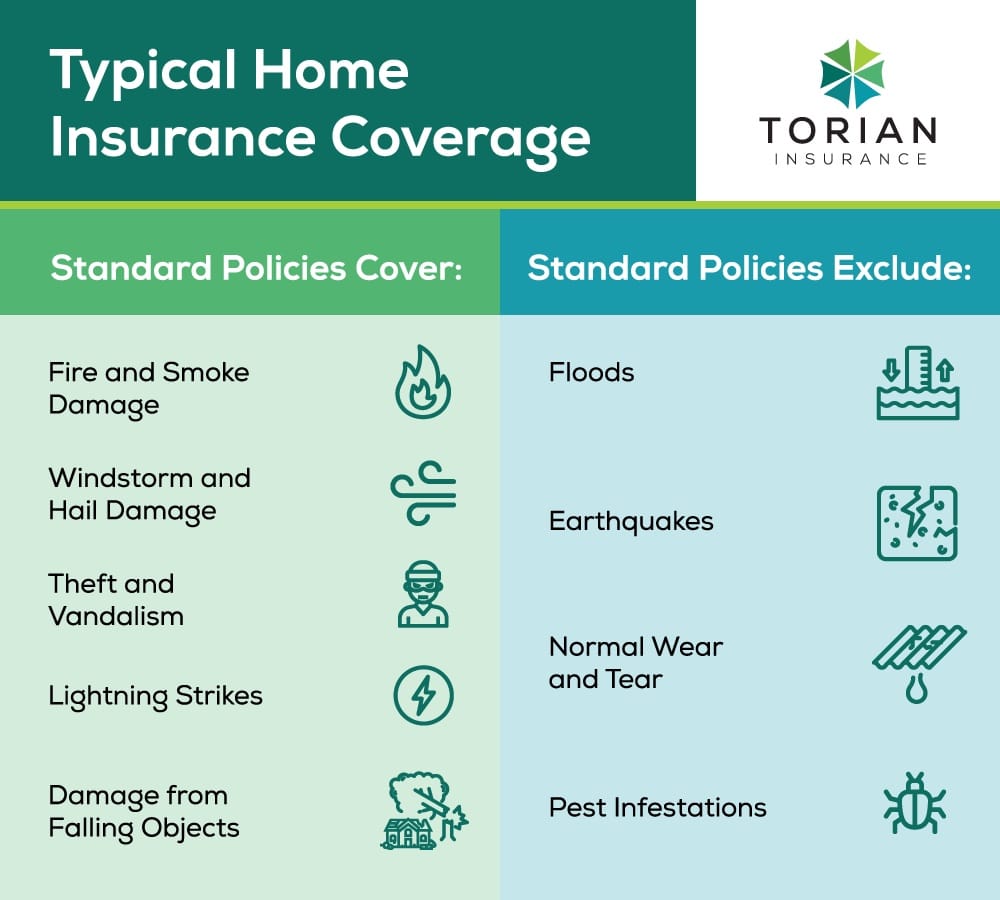
In addition to standard coverage, homeowners may need to consider adding endorsements or riders to their policy for comprehensive protection. These additional coverages can include protection for high-value items such as jewelry, art, or electronics, as well as coverage for natural disasters like floods or earthquakes that may not be included in a standard policy.
By adding endorsements or riders, homeowners can tailor their coverage to meet their specific needs and ensure they are fully protected in any situation.
What does home insurance for newly purchased homes typically cover?
Home insurance for newly purchased homes usually covers the structure, personal belongings, liability protection, and additional living expenses in case of a covered loss.
How can I lower the cost of home insurance for a newly purchased home?
You can lower the cost of home insurance by increasing your deductible, bundling policies, improving home security, and maintaining a good credit score.
Do I need additional endorsements for my home insurance policy?
Depending on your specific needs, you may need additional endorsements such as flood insurance, earthquake coverage, or scheduled personal property coverage to enhance your policy.