Everything Included in a Standard Westshore Bath Installation: A Comprehensive Guide
When it comes to a standard Westshore bath installation, there are several components that are typically included to ensure a functional and aesthetically pleasing bathroom. These components often consist of a bathtub, shower fixtures, toilet, sink, vanity, lighting, and flooring.
Having a standard installation for a Westshore bath is important as it provides a consistent and reliable design that is familiar to homeowners and contractors alike. This standardization helps streamline the installation process, ensuring that all necessary elements are included for a fully functional bathroom.
When comparing a standard Westshore bath installation to a custom installation, there are key differences in terms of cost and features.
To ensure a successful standard Westshore bath installation, proper plumbing is essential. Without the correct plumbing setup, the installation process may encounter various issues that could affect the functionality and longevity of the bath.
Proper plumbing ensures that the bath functions correctly, with adequate water supply and drainage. It also helps prevent leaks, clogs, and other plumbing issues that could lead to costly repairs in the future.
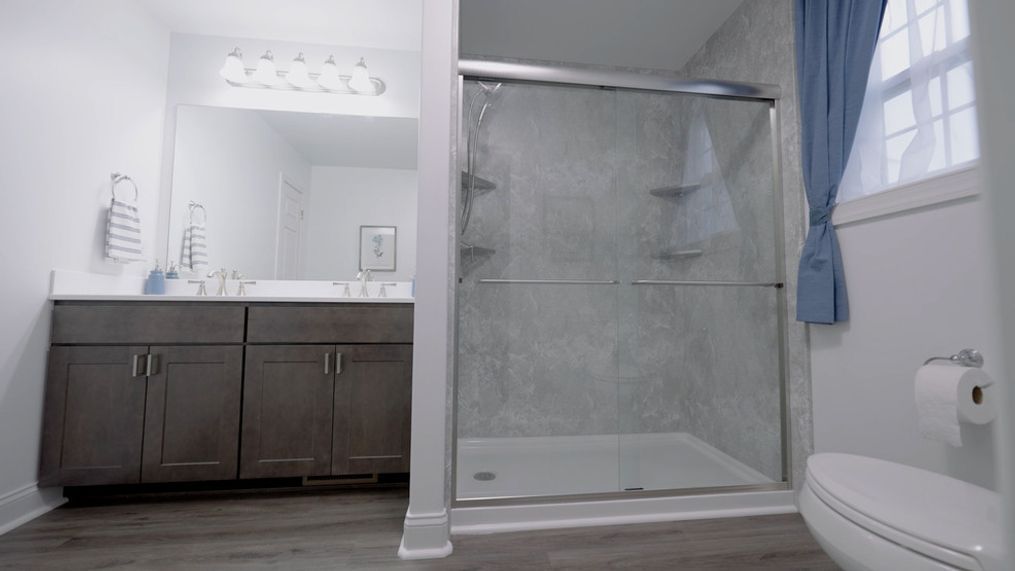
When installing a standard Westshore bath, it is crucial to consider the electrical components involved to ensure safety and proper functioning. Electrical requirements may vary based on the specific features of the bath, so it is essential to be aware of the necessary precautions.
It is important to follow the manufacturer’s guidelines for electrical connections to prevent damage or malfunction.
Depending on the features of the bath, such as built-in lights, jets, or heating systems, the electrical requirements may vary. For example, a bath with multiple jets and a heating system will require a higher electrical capacity compared to a basic model.
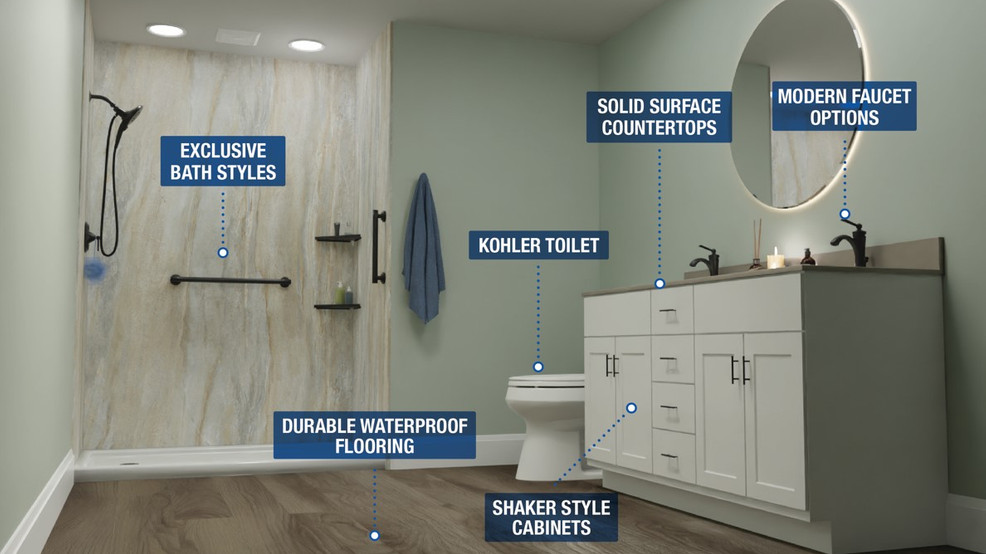
When it comes to selecting materials for a standard Westshore bath installation, it is essential to consider both durability and aesthetics. Choosing the right materials can ensure a long-lasting and visually appealing bathroom space.
When it comes to installing a standard Westshore bath, it is essential to follow a step-by-step process to ensure a successful outcome. This process involves specific tools and techniques to be used, as well as troubleshooting tips for common challenges that may arise.
Before beginning the installation, make sure to gather all the necessary tools and materials. This may include a level, tape measure, wrench, screwdriver, and caulking gun. Additionally, ensure that the area where the bath will be installed is clean and free of any debris.
Carefully position the bath in the designated area, ensuring that it is level and aligned properly. Use a level to check for accuracy and make any adjustments as needed. Proper alignment is crucial for a seamless installation.
Once the bath is in place, secure it according to the manufacturer’s instructions. This may involve using screws, brackets, or other hardware to ensure stability. Make sure to follow the recommended guidelines to prevent any issues in the future.
After the bath is securely installed, use a waterproof sealant to fill any gaps between the bath and the surrounding walls or floor. This will help prevent leaks and water damage. Allow the sealant to dry completely before using the bath.
What are the common plumbing issues during a Westshore bath installation?
Common plumbing issues include leaks, clogs, and improper fittings that can disrupt the installation process.
How do electrical requirements vary based on specific bath features?
The electrical requirements may change based on features like jets, lighting, or heating elements present in the bath.
What are the pros and cons of different materials used in a Westshore bath installation?
Materials like acrylic offer durability and easy maintenance, while natural stone provides a luxurious aesthetic appeal but requires more upkeep.