Eco Friendly Bathroom Remodel Ideas for Sustainable Living: A Green Approach to Bathroom Renovations
Eco-friendly bathroom remodeling refers to the process of renovating or designing a bathroom using sustainable materials and practices that have minimal impact on the environment. This approach focuses on reducing energy consumption, water waste, and the use of harmful chemicals, while promoting a healthier and more eco-conscious lifestyle.
In modern households, sustainable living has become increasingly important due to the growing concerns about environmental degradation, climate change, and resource depletion. By incorporating eco-friendly practices in our homes, such as in bathroom remodeling, we can contribute to the conservation of natural resources and the reduction of our carbon footprint.
Switching to energy-efficient lighting and fixtures is a key component of an eco-friendly bathroom remodel. By incorporating LED lighting and low-flow fixtures, you can significantly reduce your energy consumption and water usage, contributing to a more sustainable living environment.
LED lighting is a popular choice for eco-friendly bathroom remodels due to its energy efficiency and longevity. LED bulbs use up to 75% less energy than traditional incandescent bulbs and last much longer, reducing the need for frequent replacements. Additionally, LED lights produce less heat, making them a safer option for bathroom lighting.
Installing low-flow faucets, showerheads, and toilets can help conserve water without sacrificing performance. Low-flow fixtures are designed to minimize water wastage by controlling the flow rate, resulting in significant water savings over time. For example, a low-flow showerhead can reduce water usage by up to 60%, while a low-flow toilet can save thousands of gallons of water per year.
LED vanity lights
These sleek and modern fixtures provide ample lighting while reducing energy consumption.
Low-flow showerheads
Choose models with adjustable settings for a customized and water-efficient shower experience.
Dual-flush toilets
Opt for toilets that offer two flush options to conserve water based on your needs.
Motion-sensor lighting
Install motion-sensor switches to ensure lights are only on when needed, saving energy in the process.

Saving water is a crucial aspect of eco-friendly bathroom remodeling. Implementing various water-saving strategies not only helps in reducing water wastage but also contributes to sustainable living practices. Let’s explore some effective ways to conserve water in your bathroom.
Rainwater harvesting is a method that involves collecting and storing rainwater for later use. In the context of a sustainable bathroom design, rainwater can be utilized for toilet flushing. By installing a rainwater harvesting system, you can significantly reduce the amount of potable water consumed for flushing purposes.
This not only conserves water but also reduces the overall demand on freshwater sources.
Greywater recycling is the process of reusing wastewater from sources such as sinks, showers, and laundry for purposes like toilet flushing or landscape irrigation. By incorporating greywater recycling systems in sustainable bathroom designs, you can effectively reduce the amount of freshwater required for non-potable activities.
This not only conserves water but also minimizes the strain on municipal water treatment facilities.
Reducing water wastage is vital for promoting eco-friendly living and sustainable practices. Every drop of water saved contributes to the conservation of this precious resource and helps in mitigating water scarcity issues. By adopting water-saving strategies in your bathroom, you not only contribute to environmental preservation but also lower your water bills and promote a more sustainable lifestyle.

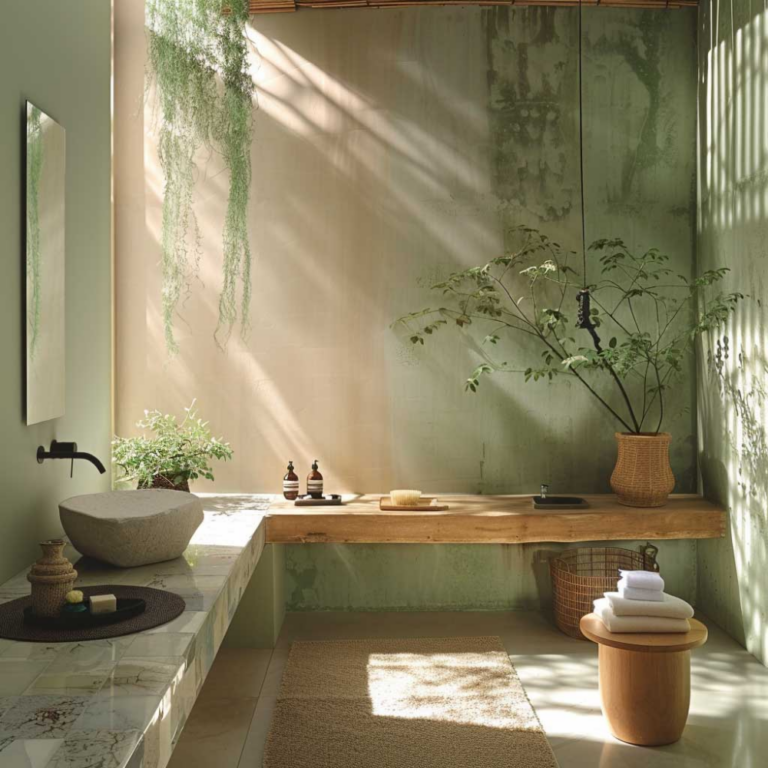
When it comes to eco-friendly bathroom remodeling, choosing the right materials and finishes can make a significant impact on sustainability. From bamboo to reclaimed wood, there are various environmentally friendly options available that not only reduce the carbon footprint but also add a unique touch to your bathroom design.
Using eco-friendly materials and finishes not only benefits the environment but also enhances the overall look and functionality of your bathroom. Bamboo and reclaimed wood add warmth and character, while recycled glass brings a modern touch. Non-toxic paints ensure a healthier living environment, free from harmful fumes.
By incorporating these sustainable elements into your bathroom remodel, you can create a space that is both beautiful and eco-conscious.
Proper ventilation is crucial for maintaining good indoor air quality in a bathroom. Without adequate ventilation, moisture can build up, leading to mold and mildew growth, as well as poor air circulation.
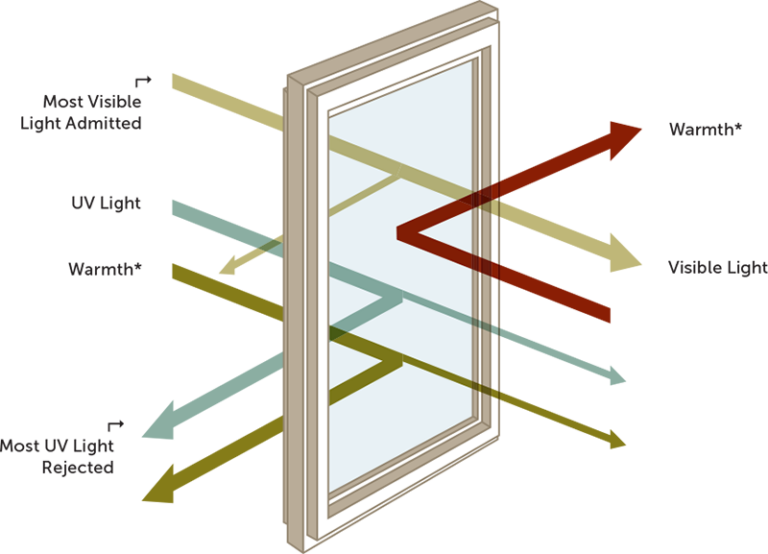
Natural ventilation methods can help reduce the need for artificial cooling and heating in a bathroom. Installing windows that can be opened to allow fresh air to flow in and out is one effective method. Additionally, skylights or solar tubes can bring in natural light and fresh air without the need for electricity.
What are some eco-friendly materials ideal for bathroom remodeling?
Some eco-friendly materials to consider are bamboo, reclaimed wood, and recycled glass, which not only add a unique touch to your bathroom but also promote sustainability.
How can I improve indoor air quality in my eco-friendly bathroom remodel?
Ensure proper ventilation and opt for non-toxic paint options to maintain good indoor air quality in your eco-friendly bathroom remodel.
What are some water-saving strategies I can implement in my sustainable bathroom design?
You can explore options like rainwater harvesting for toilet flushing and greywater recycling to reduce water wastage and promote eco-friendly living.