Home Insurance for Older Homes: Coverage, Premiums, and Common Exclusions
Home Insurance for Older Homes: Coverage, Premiums, and Common Exclusions sets the stage for this enthralling narrative, offering readers a glimpse into a story that is rich in detail and brimming with originality from the outset.
As we delve into the intricacies of home insurance for older homes, we uncover a world of coverage options, premium considerations, and common exclusions that shape the insurance landscape for these unique properties.

When it comes to owning an older home, having the right insurance coverage is crucial to protect your investment. Older homes often come with unique characteristics and potential risks that make them different from newer properties.
Home insurance for older homes provides essential protection against unforeseen events such as natural disasters, fires, theft, and liability claims. Without adequate insurance, homeowners of older properties could face significant financial losses in the event of a disaster.
When it comes to insuring older homes, there are specific coverage options that are tailored to address the unique needs and risks associated with these properties. Unlike standard policies for newer homes, insurance options for older homes take into account factors such as aging infrastructure, historical significance, and potential restoration costs.
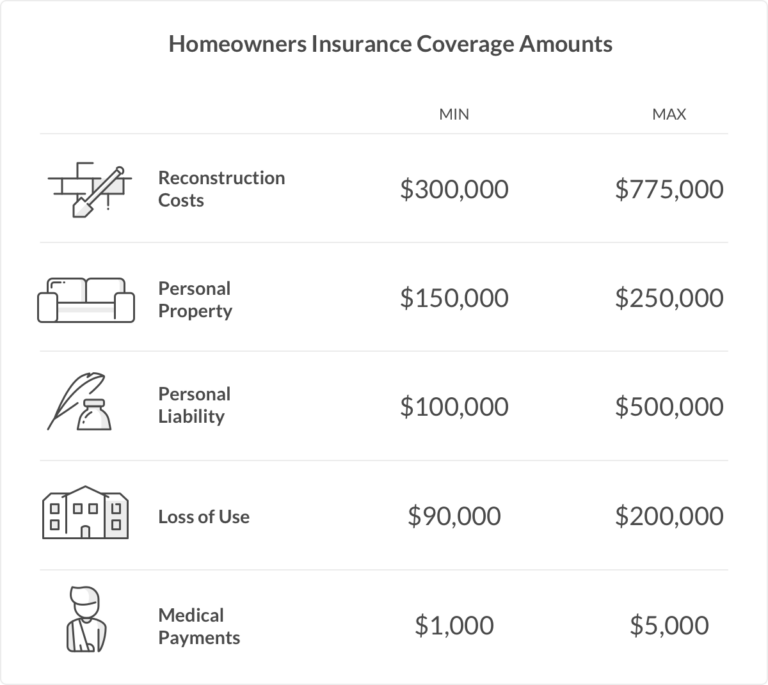
Older homes often require specialized coverage options that go beyond what is typically included in standard homeowners insurance policies. These differences can include higher coverage limits for rebuilding costs, additional protection for unique features, and considerations for historical preservation. It’s important for homeowners of older properties to work with insurance providers who understand these specific needs and can tailor coverage accordingly.
When it comes to insuring older homes, there are several factors that can influence the premiums you pay. The age and condition of the home play a significant role in determining insurance costs. Let’s delve into the details of how these factors can impact the premiums for older homes and compare them with newer homes.
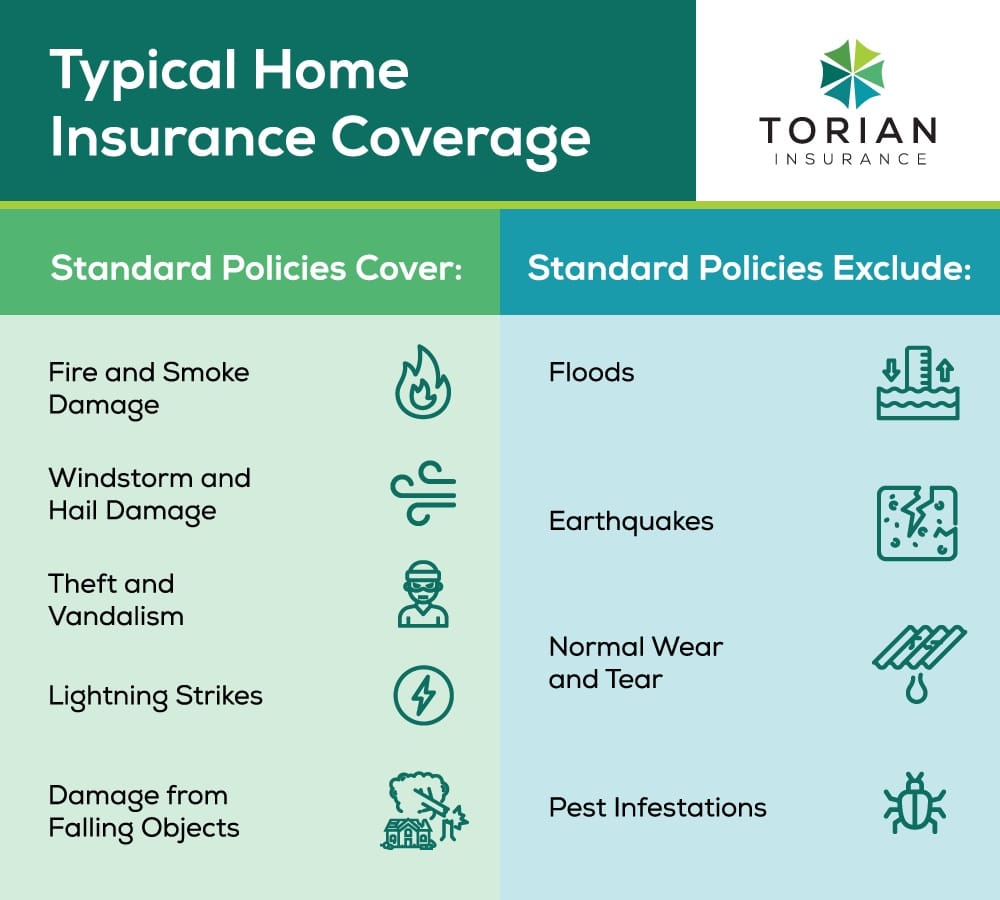
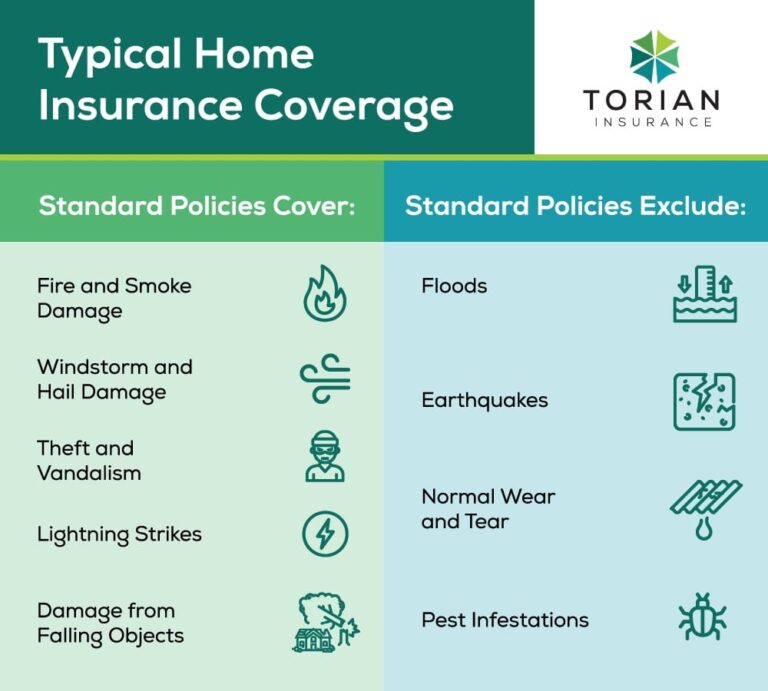
When it comes to insuring older homes, there are certain exclusions that are commonly found in insurance policies. These exclusions can have a significant impact on the coverage provided for specific situations, so it’s crucial for homeowners to be aware of them.
Wear and tear is a common exclusion in home insurance policies for older homes. This means that any damage resulting from gradual deterioration or aging of the home’s structure or systems will not be covered. For example, if your roof starts leaking due to old age and wear, the repair costs may not be covered by your insurance policy.
Another common exclusion is earth movement, which includes events like earthquakes, landslides, and sinkholes. If your older home is located in an area prone to such natural disasters, it’s important to understand that any damage caused by earth movement will not be covered by your insurance policy.
Mold and fungus are often excluded from coverage in home insurance policies for older homes. If your home has a moisture issue that leads to mold growth, the cost of remediation and repairs may not be covered by your insurance policy.
It’s essential to address any water damage promptly to prevent mold and fungus growth.
Insurance policies for older homes may exclude coverage for damage resulting from a lack of maintenance. If your home suffers damage due to neglect or failure to properly maintain the property, the repairs may not be covered. Regular maintenance and upkeep of your older home can help prevent such exclusions from affecting your coverage.
Acts of war or terrorism are typically excluded from coverage in home insurance policies. If your older home sustains damage as a result of war-related events, such as bombings or civil unrest, the repairs may not be covered. It’s essential to understand these exclusions and consider additional coverage options if you live in an area prone to such risks.
What factors differentiate coverage for older homes from newer homes?
The age and unique characteristics of older homes often require specialized coverage to address potential risks such as outdated systems and materials.
How does the age of an older home impact insurance premiums?
Older homes may have higher insurance premiums due to factors like outdated wiring, plumbing, and structural integrity issues that could increase the risk of claims.
What are some common exclusions in insurance policies for older homes?
Common exclusions may include coverage for pre-existing damage, wear and tear, and certain types of perils that are more likely to affect older properties.