Exploring Homeowners Insurance Rates: A Comprehensive Guide
Homeowners insurance rates set the stage for this enthralling narrative, offering readers a glimpse into a story that is rich in detail and brimming with originality from the outset.
As we delve into the intricate world of homeowners insurance rates, we uncover the various factors, strategies, and misconceptions that shape this essential aspect of home ownership.
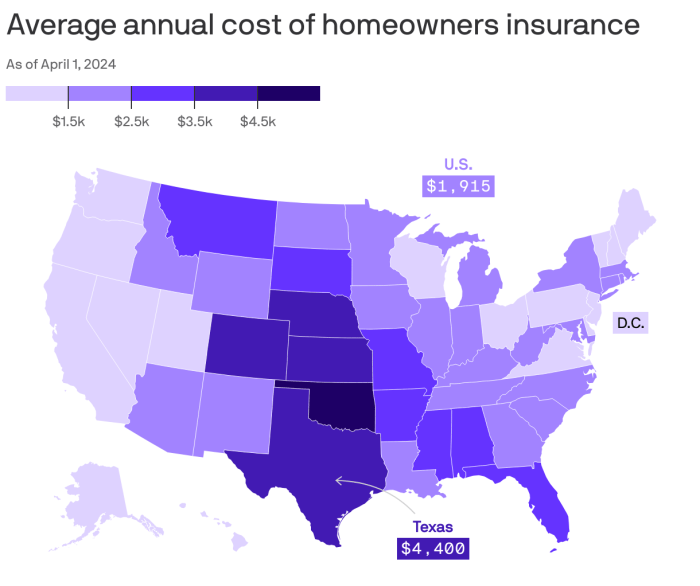
When it comes to determining homeowners insurance rates, several factors come into play that can significantly impact the cost of coverage. Factors such as location, the age and condition of the home, and the coverage amount chosen by homeowners all play a crucial role in determining insurance rates.
The location of a home is a key factor that influences homeowners insurance rates. Homes located in areas prone to natural disasters such as hurricanes, earthquakes, or wildfires are considered higher risk and may have higher insurance rates. Additionally, homes in high-crime areas may also have higher insurance premiums due to the increased risk of theft or vandalism.
The age and condition of a home can also impact homeowners insurance rates. Older homes or homes in poor condition may be more susceptible to damage and require higher insurance premiums to adequately protect against potential risks. Homes with outdated electrical or plumbing systems may also be considered higher risk and result in higher insurance rates.
The coverage amount chosen by homeowners is another factor that can influence insurance rates. Opting for higher coverage limits or additional coverage options such as flood insurance or earthquake insurance will result in higher premiums. On the other hand, choosing lower coverage limits may lower insurance rates but could leave homeowners vulnerable to inadequate coverage in the event of a claim.

When it comes to lowering homeowners insurance rates, there are several strategies you can implement to potentially reduce your costs. These strategies include increasing home security, bundling insurance policies, and improving your credit score.
One effective way to lower your homeowners insurance rates is to increase the security of your home. This can be done by installing security systems, deadbolts, smoke detectors, and fire alarms. Insurance companies often offer discounts for homes with these safety features in place, as they reduce the risk of claims for theft, fire, or other damages.
Another way to save on homeowners insurance is by bundling your policies. By combining your home insurance with other insurance products such as auto or life insurance, you can often receive a discount on your overall premiums. This not only helps you save money but also simplifies the insurance process by having all your policies with one provider.
Your credit score can also impact your homeowners insurance rates. Insurance companies may use credit information to determine your risk level as a policyholder. By improving your credit score through timely bill payments, reducing debt, and monitoring your credit report for errors, you may be able to secure lower insurance rates.
It’s important to maintain a good credit score to potentially qualify for better premiums and discounts.

When it comes to homeowners insurance, understanding deductibles and premiums is crucial. Let’s dive into what deductibles are and how they can impact your insurance rates.
A deductible is the amount you agree to pay out of pocket before your insurance coverage kicks in. For example, if you have a $1,000 deductible and file a claim for $5,000 in damages, you would pay the first $1,000, and your insurance would cover the remaining $4,000.
Your deductible and premium have an inverse relationship
as one goes up, the other goes down.
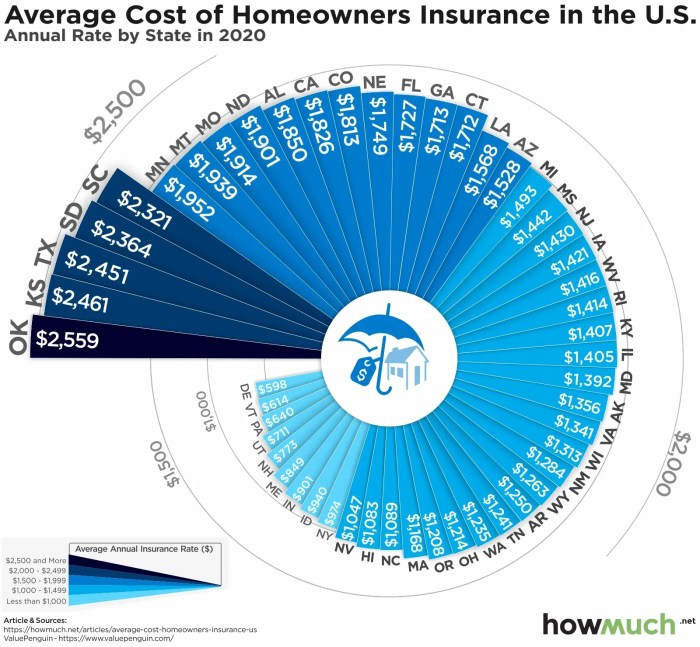
There are several common misconceptions about homeowners insurance rates that can lead to confusion and misunderstanding for policyholders. By addressing these misconceptions, homeowners can make more informed decisions about their insurance coverage.
Many homeowners mistakenly believe that the size or market value of their home is the sole factor that determines their insurance rates. In reality, insurance companies consider a variety of factors, including the location of the home, the age and condition of the home, the materials used in construction, and the homeowner’s claims history.
By dispelling common misconceptions about homeowners insurance rates, homeowners can make more informed decisions when selecting insurance coverage. This knowledge can help them choose the right policy based on their specific needs and budget, ensuring adequate protection for their home and belongings.
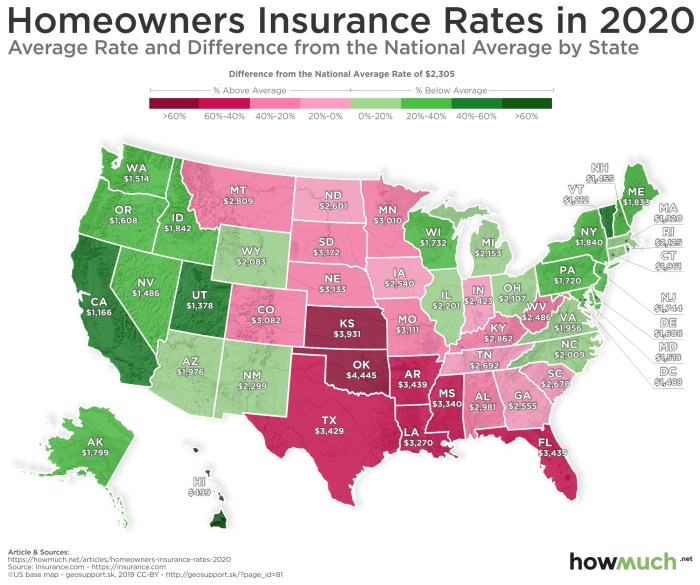
In conclusion, understanding homeowners insurance rates is crucial for every homeowner. By grasping the nuances of factors influencing rates, ways to lower them, and common misconceptions, individuals can make informed decisions to protect their valuable assets effectively.
How does the location affect homeowners insurance rates?
The location plays a significant role in determining homeowners insurance rates as areas prone to natural disasters or high crime rates may result in higher premiums.
What are some strategies for increasing home security to reduce insurance costs?
Installing security systems, deadbolts, and smoke detectors can help lower insurance costs by reducing the risk of theft or damage.
How can improving credit scores lower homeowners insurance rates?
Improving credit scores can lead to lower homeowners insurance rates as individuals with higher credit scores are considered less risky to insure.