Homeowners Insurance for High-Risk Areas: Coverage Options and Premium Costs
Starting off with Homeowners Insurance for High-Risk Areas: Coverage Options and Premium Costs, this introductory paragraph aims to intrigue and inform readers about the topic in a captivating manner.
The following paragraph will delve into the specifics and intricacies of the subject matter.
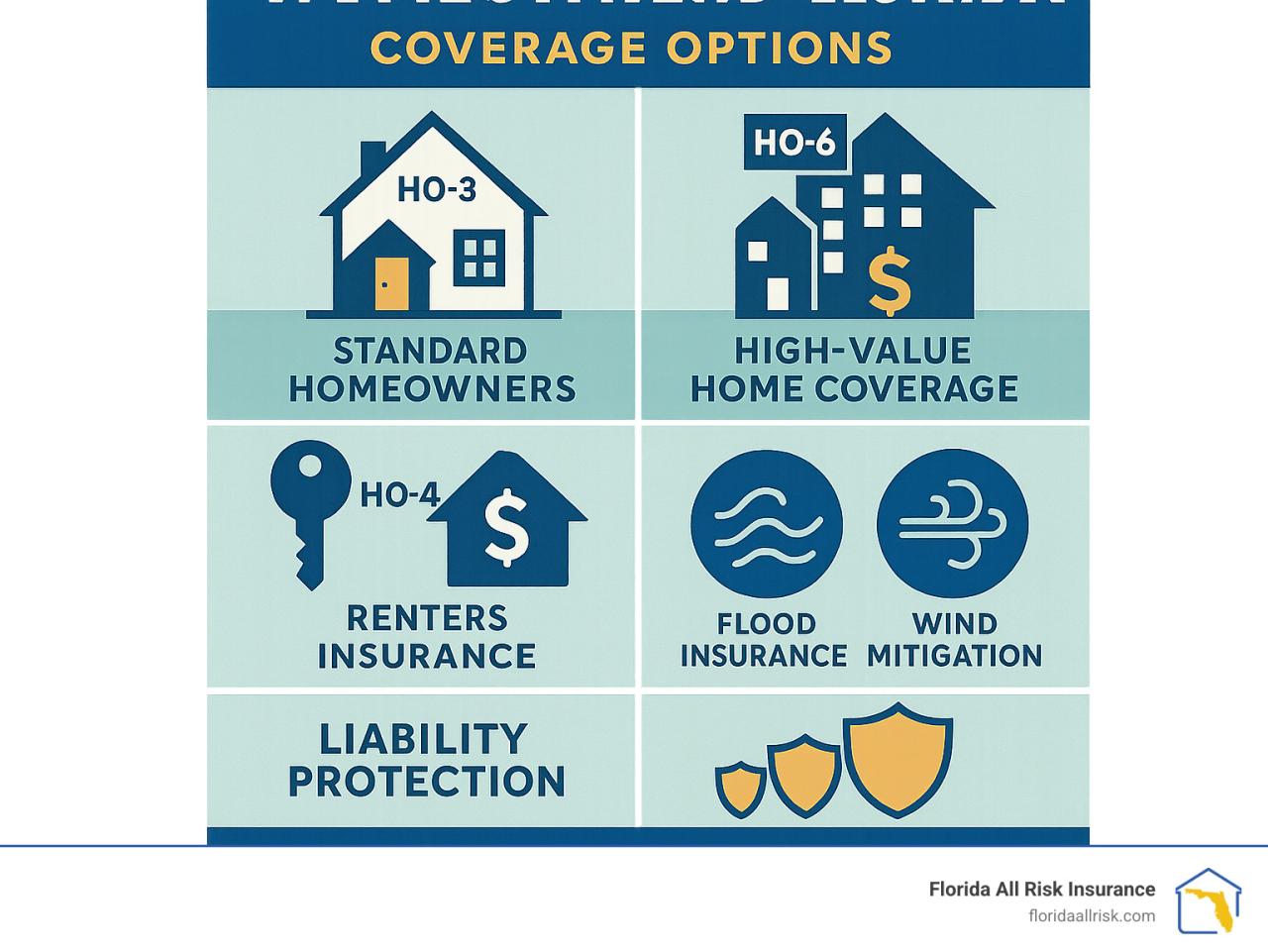
Living in a high-risk area can significantly impact homeowners insurance coverage and costs. Insurance companies classify certain locations as high-risk based on various factors that increase the likelihood of claims being filed. Understanding what constitutes a high-risk area is crucial for homeowners looking to secure adequate coverage.
Living in a high-risk area can lead to higher insurance premiums and potentially limited coverage options. Insurance companies may offer specialized policies for high-risk areas that provide additional protection but come at a higher cost. Homeowners in these areas may also be required to take preventive measures, such as installing storm shutters or fire-resistant materials, to mitigate risks and lower premiums.
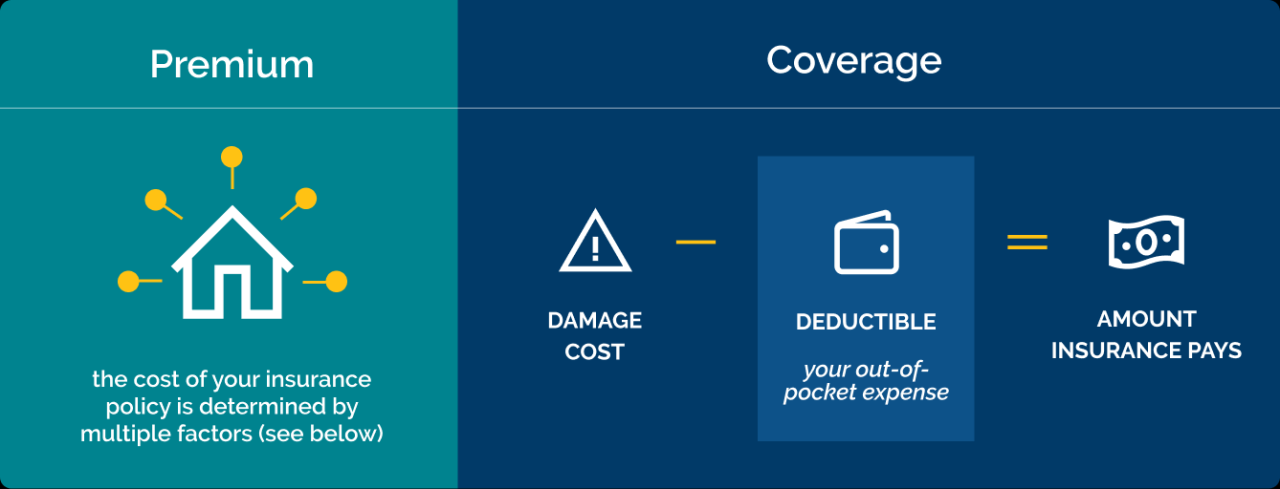
When it comes to homeowners insurance in high-risk areas, it’s essential to understand the coverage options available to protect your property adequately. These areas are prone to natural disasters like floods, hurricanes, wildfires, and earthquakes, making it crucial to have the right insurance coverage in place.
In high-risk areas, coverage options may differ significantly from standard insurance policies due to the increased likelihood of certain perils. For example, standard policies may exclude coverage for floods or earthquakes, which are common risks in high-risk areas. Homeowners in these areas need to ensure they have adequate coverage for these specific perils.
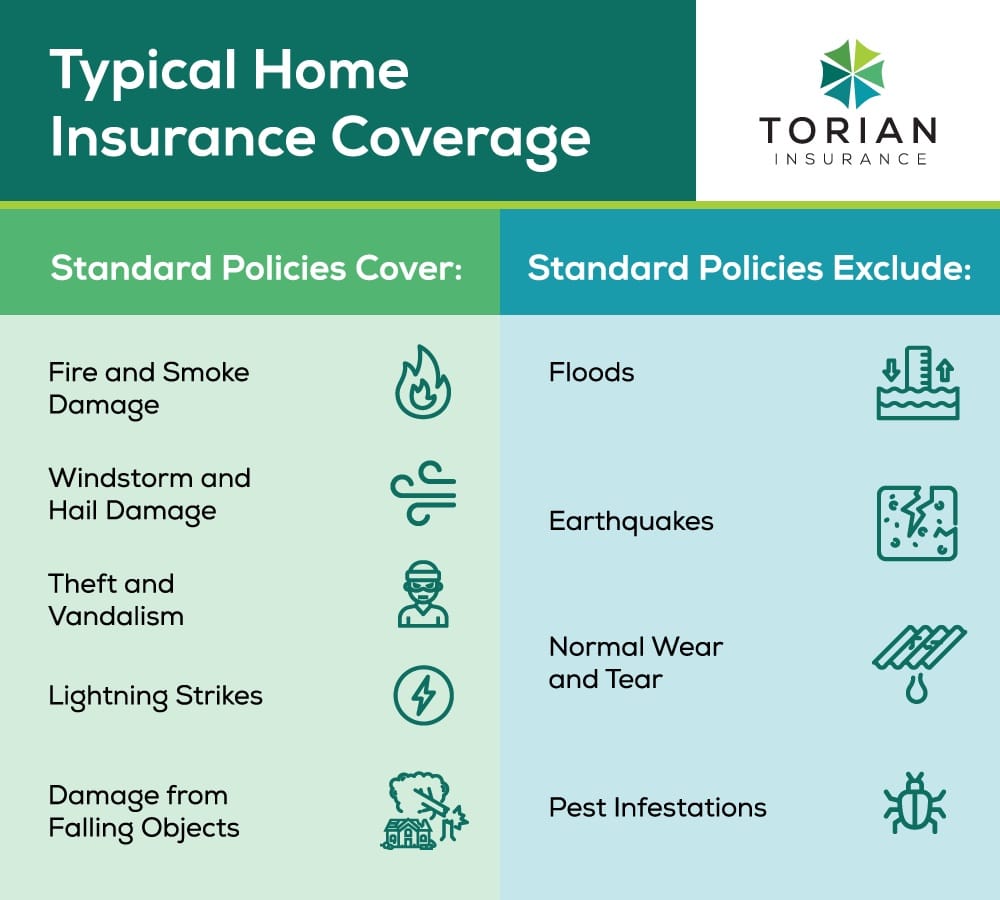
Homeowners insurance premium costs in high-risk areas are determined based on various factors that increase the likelihood of claims being filed. These factors can significantly impact the overall cost of coverage in these areas.
When comparing premium costs between standard areas and high-risk areas, it is evident that homeowners in high-risk areas generally face higher insurance premiums. This is due to the increased likelihood of property damage or loss in these areas, leading insurers to adjust rates accordingly to manage the higher risk exposure.
What factors contribute to an area being classified as high-risk??
Common factors include proximity to bodies of water, history of natural disasters, and high crime rates.
How are premium costs determined for homeowners insurance in high-risk areas?
Premium costs are often influenced by factors like location, property value, and past insurance claims.
What additional coverage options might homeowners in high-risk areas consider?
Additional coverage options could include flood insurance, earthquake insurance, or increased liability coverage.