Home Insurance After Renovation: When Coverage and Property Value Need Updating
Exploring the realm of Home Insurance After Renovation: When Coverage and Property Value Need Updating, this introduction sets the stage for a comprehensive discussion that delves into the intricacies of updating insurance post-renovation.
Providing insights into the importance of updating coverage and property value after renovations, this topic aims to inform and guide homeowners in making informed decisions about their insurance needs.
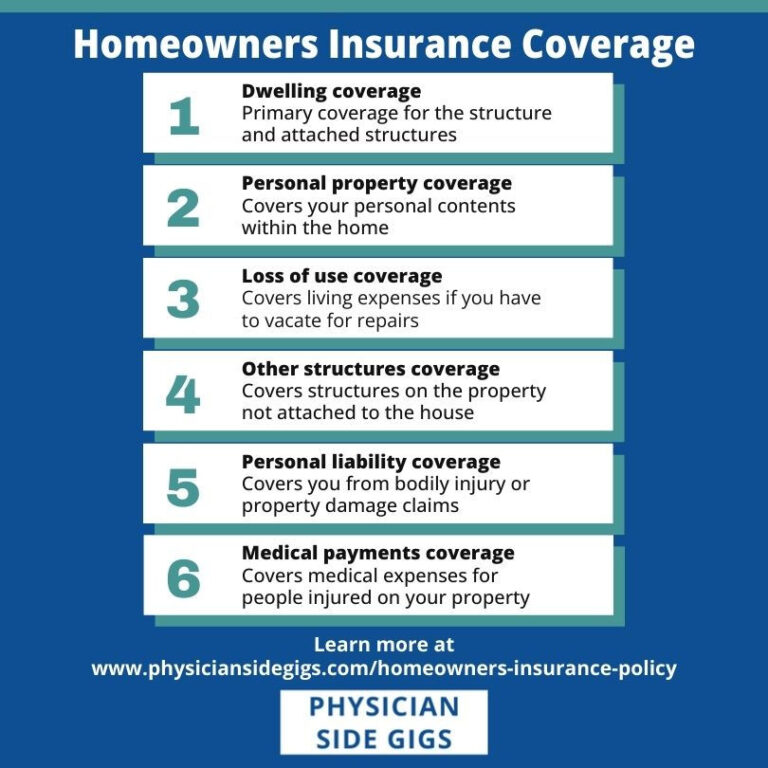
When it comes to home insurance coverage, it is important to understand the basic components that make up a typical policy. Home insurance is designed to protect your property and belongings in case of damage, theft, or other unexpected events.
Here is how home insurance policies generally work and what is usually covered:
After completing a renovation on your home, it is crucial to update your home insurance policy to ensure that you have adequate coverage for any changes that may have occurred during the renovation process.
When it comes to home insurance premiums post-renovation, there are several factors that insurance companies take into consideration. These factors can have a significant impact on how much you will pay for coverage after making changes to your property.
The extent of the renovation plays a major role in determining how much your home insurance premiums will increase. Minor renovations, such as updating a bathroom or kitchen, may result in a slight premium adjustment. However, major renovations like adding an extension or converting a space can lead to a significant increase in premiums.
Insurance companies also look at the value of the renovations you have made to your home. If the value of your property has increased significantly due to the renovations, your premiums are likely to go up. This is because the higher the value of your home, the more it will cost to repair or replace in the event of a claim.
Different types of renovations can impact your insurance premiums in various ways. For example, adding a swimming pool or a home office may result in higher premiums due to the increased liability risk. On the other hand, installing a new roof or upgrading your heating system may lead to lower premiums as these improvements can reduce the risk of damage to your home.
The materials used in your renovation can also influence your insurance premiums. High-quality materials that are durable and resistant to damage may result in lower premiums, as they can reduce the likelihood of claims. On the other hand, using cheaper materials that are more prone to damage could lead to higher premiums.
Insurance companies also consider whether your renovations comply with local building codes. If your renovations do not meet the required standards, this could increase your premiums as it may pose a higher risk to your property.
Finally, installing security and safety features during your renovation, such as a security system or fire alarms, can help lower your insurance premiums. These features can reduce the risk of theft, fire, or other incidents, making your home less risky to insure.

When it comes to ensuring your home insurance coverage is adequate after a renovation, there are several steps you can take to protect your investment. It’s essential to accurately assess the value of your property post-renovation and communicate any changes with your insurance provider to avoid any gaps in coverage.
To accurately assess the value of your property after renovations, consider hiring a professional appraiser. They can provide an unbiased evaluation of your home’s worth based on the improvements made. Additionally, you can compare your property to similar homes in your area that have recently sold to get a better idea of its current value.
It’s crucial to inform your insurance provider of any renovations or upgrades to your home. This ensures that your coverage reflects the current value of your property and that you are adequately protected in case of any unforeseen events. Failure to communicate changes could result in being underinsured and facing financial losses in the event of a claim.
When it comes to determining the new value of your property after a renovation, there are several factors to consider. Renovations can significantly impact the overall value of your home, which in turn affects your home insurance coverage.
Renovations such as kitchen upgrades, bathroom remodels, or adding an extension can increase the value of your property. These improvements can make your home more attractive to potential buyers and ultimately raise its market value.
When it comes to home insurance after a renovation, homeowners may want to consider additional coverage options to ensure they are adequately protected. These supplementary coverages can provide added peace of mind and financial security in the event of unexpected damages or losses.
Extended replacement cost coverage is an option that allows homeowners to receive a higher limit than the standard coverage in the event of a total loss. This can be beneficial post-renovation, as the cost of rebuilding or repairing a home may have increased due to upgrades or changes made during the renovation process.
While this coverage may come at an additional cost, it can provide valuable protection against rising construction costs.
Ordinance or law coverage is another important consideration for homeowners after a renovation. This coverage helps cover the costs associated with bringing a home up to current building codes or ordinances following a covered loss. This can be crucial after a renovation, as older homes may not be up to current codes, and the cost of compliance can be significant.
Having this coverage can prevent unexpected out-of-pocket expenses in the event of a claim.
When evaluating additional coverage options, homeowners should consider the costs and benefits of each option carefully. While some coverages may come at an additional premium, the financial protection and peace of mind they provide can be invaluable. It’s essential to weigh the potential costs of not having certain coverages against the added expense of including them in your policy.
What factors should homeowners consider when updating their home insurance after a renovation?
Homeowners should consider the extent of renovations, changes in property value, and any additional risks introduced by the renovation project. It’s crucial to communicate these details with your insurance provider to ensure proper coverage.
Does home insurance typically cover renovations themselves?
Standard home insurance policies usually do not cover the actual renovation costs. However, they may provide coverage for any damages that occur during the renovation process.
How can homeowners accurately assess the new value of their property post-renovation?
Homeowners can hire a professional appraiser to determine the updated value of their property post-renovation. Additionally, keeping records of renovation costs and improvements can help in assessing property value accurately.
What are some common additional coverage options homeowners can consider after a renovation?
Homeowners may consider adding coverage options like extended replacement cost coverage, which covers the cost of rebuilding your home, or ordinance or law coverage, which helps cover costs associated with bringing your property up to current building codes.