Homeowners Insurance for Rental Properties: Coverage, Liability, and Premiums
Embark on a journey through the realm of Homeowners Insurance for Rental Properties: Coverage, Liability, and Premiums. This introductory paragraph sets the stage for a comprehensive exploration of the topic, providing insight and valuable information for readers.
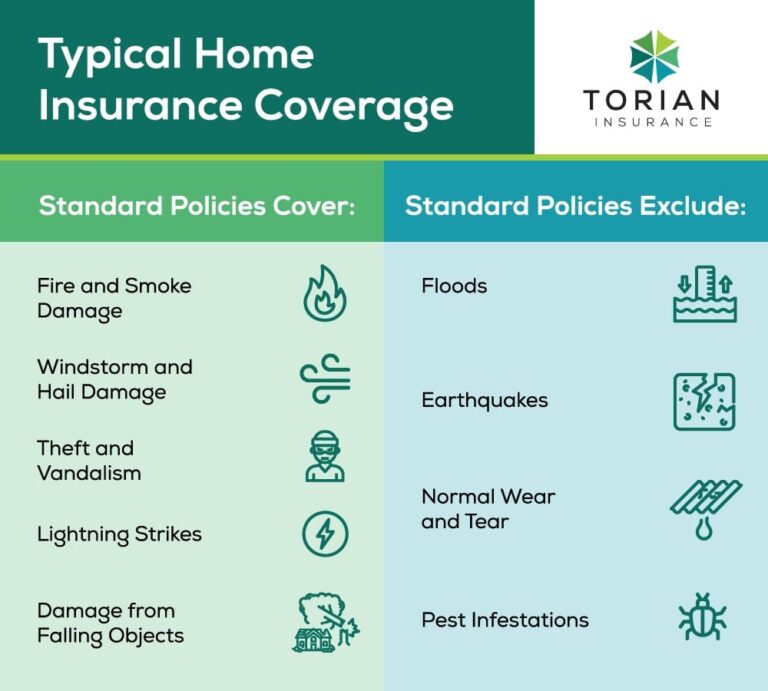
When it comes to homeowners insurance for rental properties, there are several types of coverage that are important to understand. These include dwelling coverage, personal property coverage, liability coverage, and additional living expenses coverage.
Dwelling coverage protects the physical structure of the rental property itself. This includes coverage for damage caused by covered perils such as fire, wind, hail, and vandalism. For example, if a fire damages the roof of the rental property, dwelling coverage would help cover the cost of repairs.
Personal property coverage protects the belongings inside the rental property, such as furniture, appliances, and clothing. If these items are damaged or stolen due to a covered peril, personal property coverage can help replace or repair them. For instance, if a break-in results in stolen electronics, personal property coverage would assist in replacing those items.
Liability coverage protects the landlord from legal responsibility if someone is injured on the rental property and decides to sue. This coverage can help with legal fees, medical expenses, and settlement costs. For example, if a tenant slips and falls on a wet floor in the rental property and sues the landlord, liability coverage would provide financial protection.
Additional living expenses coverage comes into play when the rental property becomes uninhabitable due to a covered peril, such as a fire or natural disaster. This coverage helps with temporary living expenses, such as hotel bills or rental costs, while the property is being repaired.
In a scenario where a fire makes the rental property unsafe to live in, additional living expenses coverage would cover the cost of temporary accommodation.
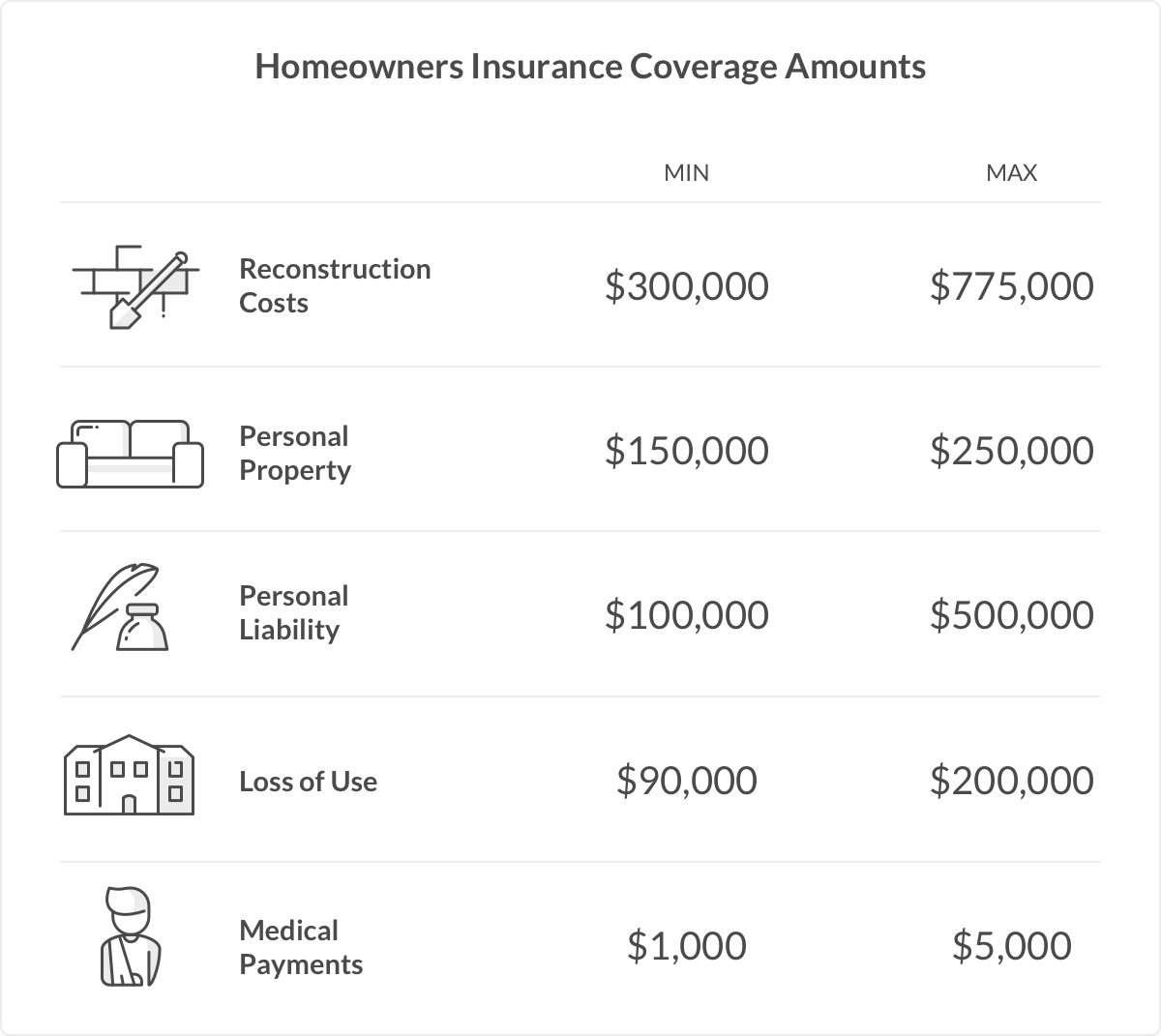
When it comes to homeowners insurance for rental properties, liability protection is a crucial aspect that should not be overlooked. This coverage helps protect property owners from financial loss in case someone is injured on the rental property or if the owner is found liable for damage to someone else’s property.
Liability protection typically covers legal fees, medical expenses, and damages awarded in a lawsuit. It differs from property coverage, which focuses on damage to the physical structure of the property itself.
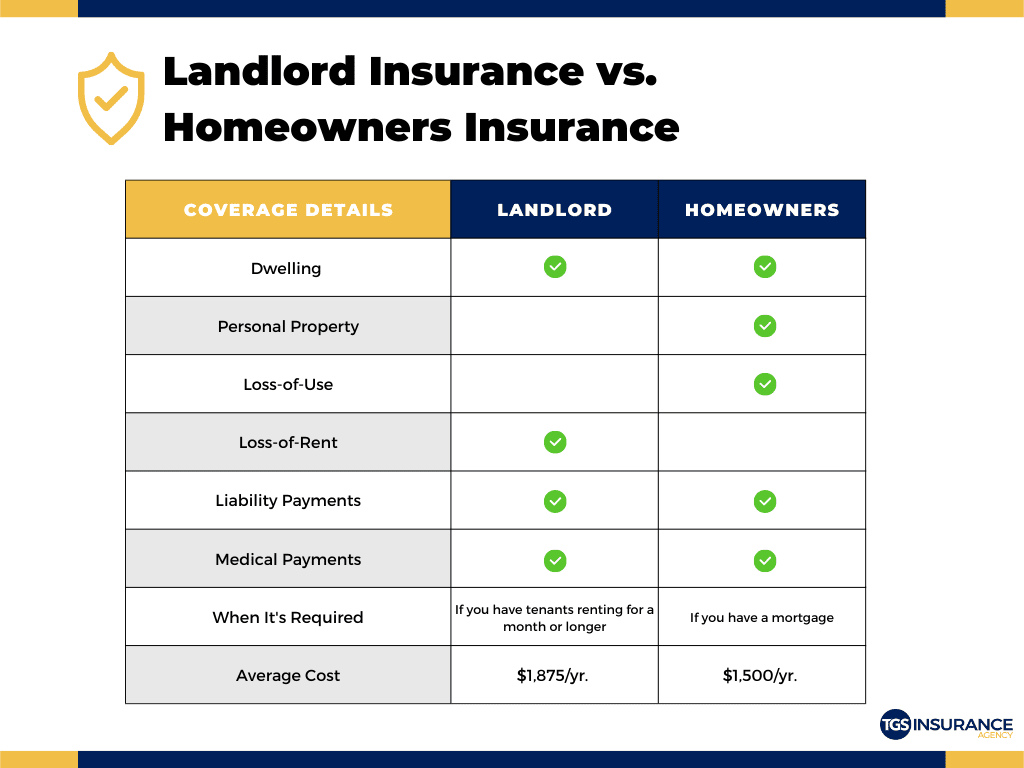
When it comes to homeowners insurance for rental properties, the premium cost is influenced by various factors that need to be carefully considered. Factors such as the location of the property, its age, size, and the coverage limits all play a significant role in determining the premium amount.
The location of the rental property is a crucial factor that affects the insurance premium. Properties located in areas prone to natural disasters or high crime rates may have higher premiums due to an increased risk of damage or theft.
On the other hand, properties in safer neighborhoods with lower crime rates may have lower premiums.
The age and size of the property also impact the insurance premium. Older properties may have higher premiums as they are more prone to wear and tear, while larger properties may have higher replacement costs in case of damage. Ensuring that the property is well-maintained and up to code can help reduce premiums.
The coverage limits chosen for the homeowners insurance policy will directly affect the premium cost. Opting for higher coverage limits will result in higher premiums, as the insurance company will have to pay out more in case of a claim.
It’s important to carefully assess the coverage needs of the rental property and choose limits that provide adequate protection without overpaying.
What does dwelling coverage typically include?
Dwelling coverage usually protects the structure of the property itself, including walls, roofs, and attached structures like garages.
How can I reduce insurance premiums for my rental property?
One way to lower premiums is by increasing the deductible, ensuring safety features like smoke alarms and security systems are in place, and bundling insurance policies.
Why is liability coverage important for rental properties?
Liability coverage is crucial as it protects property owners from legal claims and lawsuits in case someone is injured on the rental property.